
By Leocadia Bongben
The Cameroon Association of Family Welfare, CAMNAFAW, and the Society of Gynaecologists and Obstetricians of Cameroon, SOGOC, in collaboration with other stakeholders, are elevating advocacy for the domestication of Article 14 of the Maputo Protocol.
Article 14 of the Maputo Protocol (2003), states are legally obligated to protect women’s health, including access to abortion, contraception, and fertility control, in certain situations such as sexual assault, rape, incest, or threats to physical or mental health.
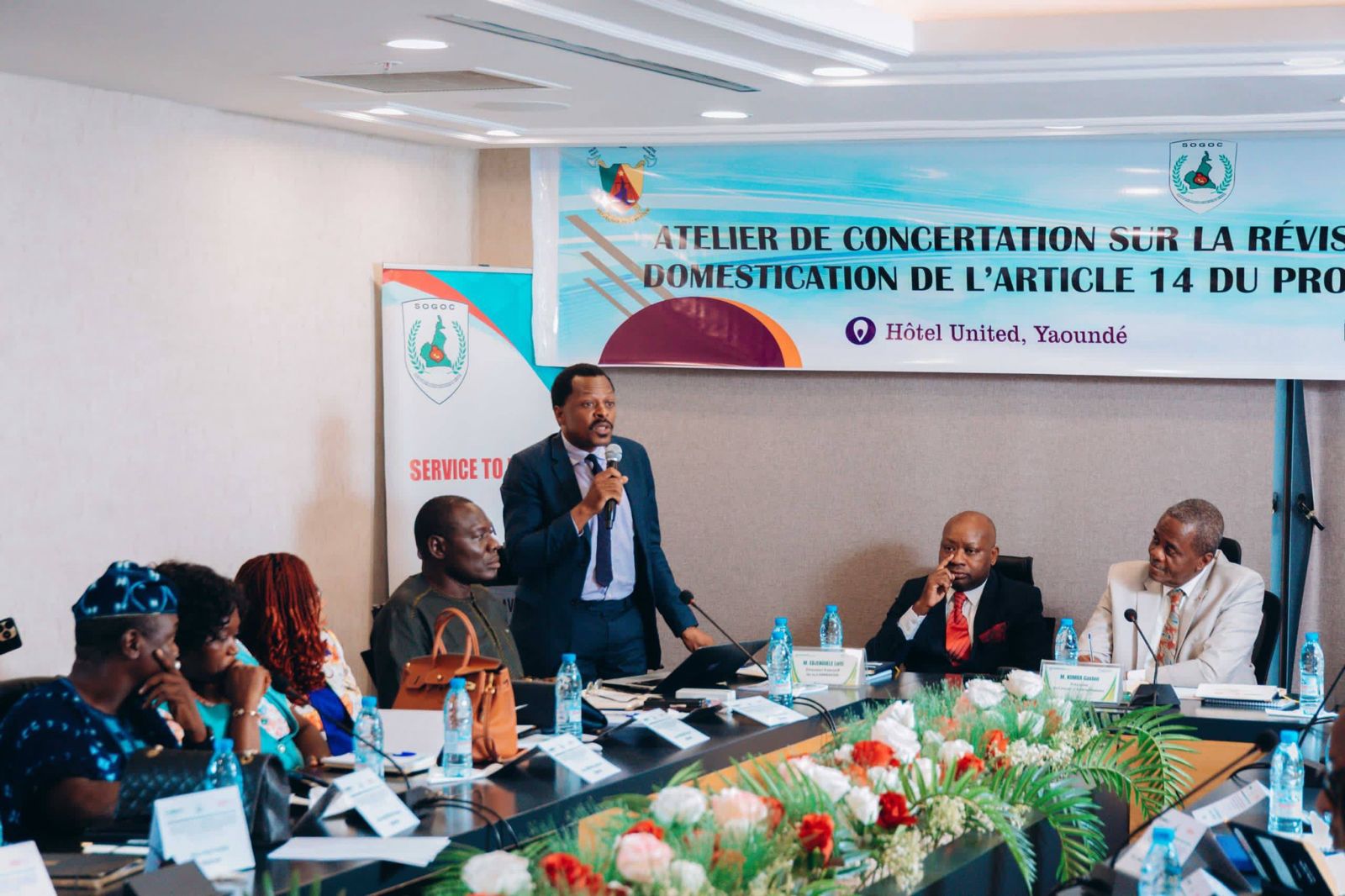
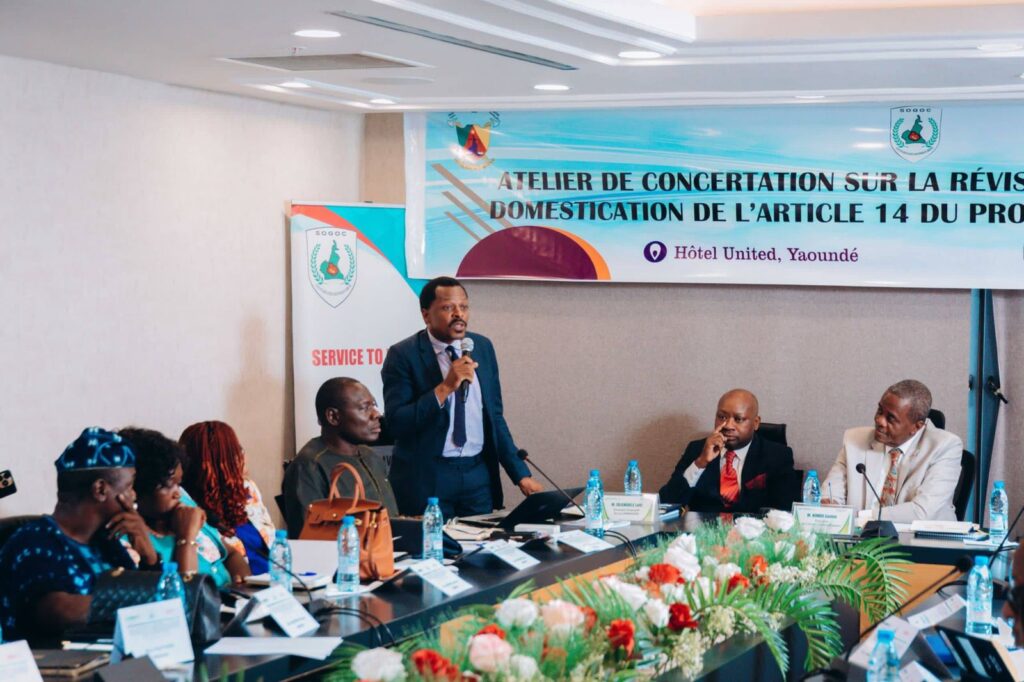
It is against this background that they organised a workshop for the Ministry of Justice to brainstorm on certain aspects of the penal code to align with Article 14 of the Maputo Protocol.
The workshop is a follow-up to the National Assembly’s recommendations from a special session on the domestication of Article 14 of the Maputo Protocol on March 25. Among other things, the National Assembly suggested revising the penal code and establishing a law on reproductive health.
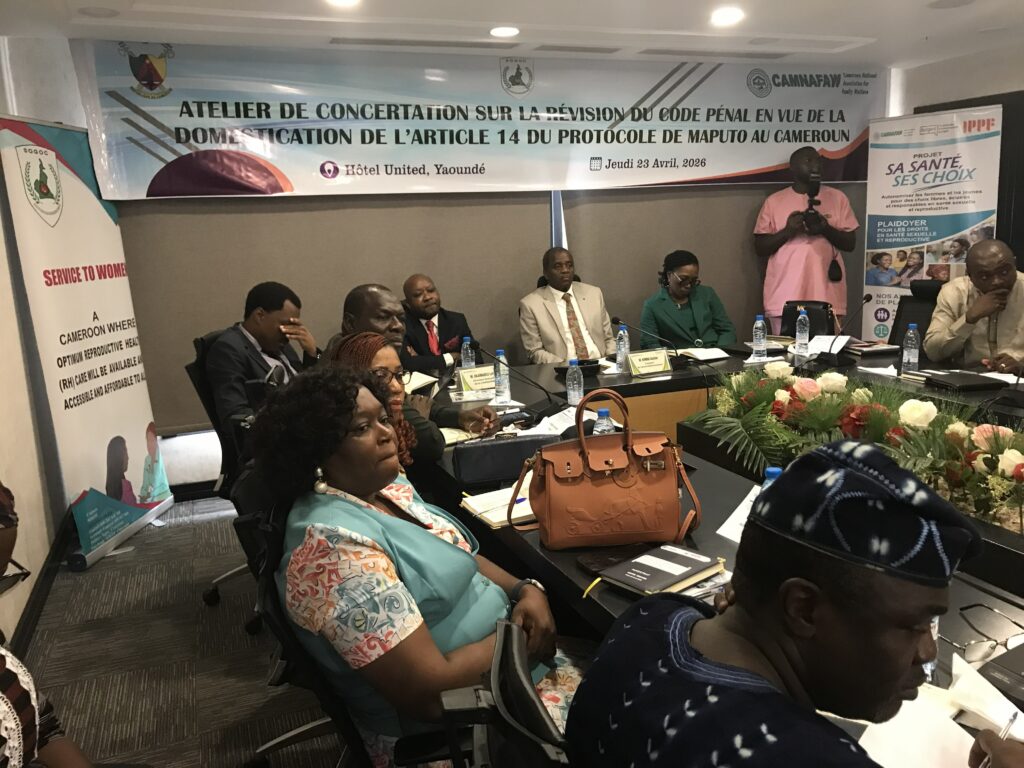
Opening the meeting, Hon. Gaston Komba, CAMNAFAW board chair, said he believes in the effectiveness of a responsible institutional dialogue, in inclusive and fair consultations, and in a pedigree that breaks barriers and pushes for concrete results.
To him, the presence of the departmental task force, magistrates, the managers of the sectoral ministries, parliamentarians, and the civil society organizations is a sign of commitment.
He said the medical and scientific world is central, acknowledging SOGOC’s commitment to bringing clinical expertise, the experience of practitioners, and those who listen and see in the health structures the very concrete consequences of situations of vulnerability, including cases related to rape and incest.
“Synergy of efforts is primordial; CAMNAFAW promotes social, institutional, and programmatic mobilisation while SOGOC brings the strength of the scientific evidence of medical practice oriented towards solutions,” he said. The impact must be appreciated through our ability to ensure that the work of the judges produces real effects, namely, useful, practical recommendations, stronger views of convergence and common language between the judges, parliamentarians, health professionals, partners, and above all, clearly documented, he said.
The situation of reproductive health in Cameroon is dire, with one in five girls having a baby before the age of 18, 70 percent of girls having their first intercourse at the age of 15, depicting the importance of access to reproductive health. A film projected on the occasion highlighted the experience of nurses who receive young girls who have taken concoctions in an attempt to terminate unwanted pregnancies, turning to the clinic in deplorable states.
Statistics from the Ministry of Public Health indicate that maternal mortality has dropped from 406 per 100,000 live births, thanks to continued government and civil society efforts. From 2020 to 2023, Cameroon reduced maternal deaths by 30 percent, and from 2021 to 2023, by 60 percent. In 2024, 9500 cases of abortion were registered nationally, and about 8851 in 2025, and in 2024, 130 maternal deaths were registered, witnessing an increase to 139 in 2025.
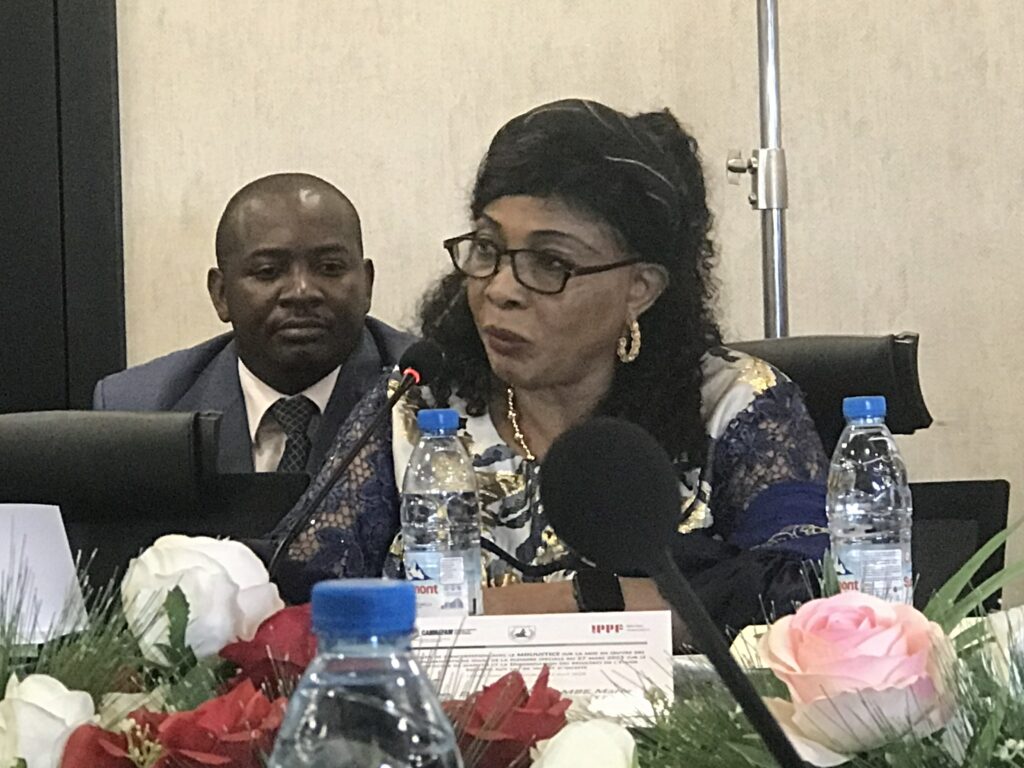
Commenting on the film, Hon. Dr Marie Louise Ngoko Mambe Epse Tchouante maintained that the movie depicts the realities in the field and noted that she would have loved to see aspects of tradition, where the truth is frequently concealed in incest cases, where a child is not allowed to speak. It is a significant step to align the penal law with Article 14.
According to Prof. Felix Essiben, SOGOC focal person in the Advocacy for Comprehensive Abortion Care, ACAC project, abortion represents about 30 percent of maternal deaths. “Given the restrictive nature of the law and patients’ ignorance, they turn to quack doctors for abortion. However, implementing the Maputo Protocol can make a difference by clarifying when the health personnel can provide comprehensive care, ” he stated.
CAMNAFAW has been committed to advocacy on the domestication of the Maputo protocol alongside other civil society organisations since 2024. Guy Martial Mendo Ze, SRH expert at CAMNAFAW, says, “In 2025, we prompted the National Assembly to hold a special session on domesticating Article 14 of the Maputo Protocol, during which recommendations were assigned to different ministries.
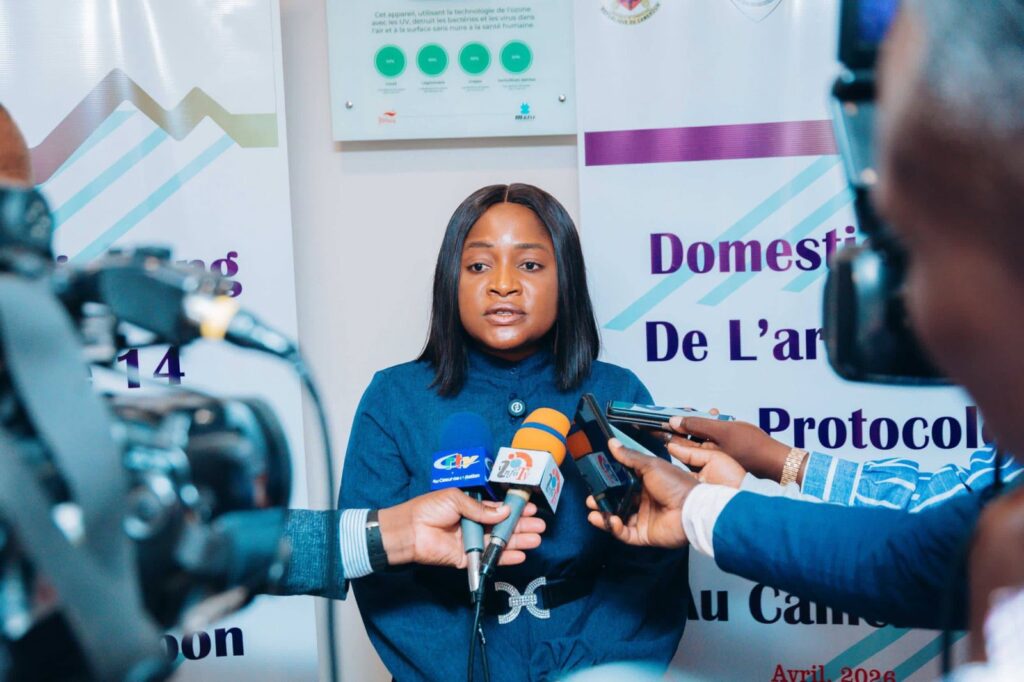
CAMNAFAW and SOGOC are accompanying the ministries to implement the recommendations. We started with the Ministry of Health, Women’s Empowerment, and this time, the Ministry of Justice, to align the penal code to Article 14 of the Maputo protocol.”
There are still challenges ahead in the process of domesticating Article 14 of the Maputo Protocol. The procedure is lengthy, involving multiple stakeholders, and it is difficult to mobilize both financial and human resources. “We will strive to gather stakeholders in the negotiating room to validate the document at the Prime Minister’s office, the presidency, and the parliament. As a result, all parties will be involved in the implementation and follow-up when the ministry submits the draft law,” Mendo Ze said.
Since 2019, SOGOC has been working under the ACAC project to promote the Maputo Protocol’s domestication, and progress has been made. In order to minimize duplication of effort, we understood in the following phase that cooperation and collaborations with CAMNAFAW, Ministries of Health and Justice, were necessary. “Our voices are amplified, and the process is faster when we work together,” said Rita Yenjong, Program Manager, ACAC project.