
By Leocadia Bongben
Her life was spared by prompt evacuation to the Yaounde Central Hospital. This is how the narrative unfolds. A woman remarried a man who pretended to be a doctor. Living with the couple, her daughter became pregnant and was forced to tell her mother when she saw changes. When the mother’s husband found out, she ran away, but a few weeks later, she was convinced to return.
When she returned, the mother pinned her daughter down so the so-called doctor could end the pregnancy. During the process, the intestines were ruptured. The girl was taken to Central Hospital due to the complication and had surgery performed. To preserve her life, the uterus was removed, and a few millimetres of the small intestine were severed, narrated Professor Felix Essiben, a gynaecologist and focal point of the Access to Comprehensive Abortion Care (ACAC) Project of the Society of Gynaecologists and Obstetricians of Cameroon (SOGOC).
This is just one of numerous accounts of the reality of clandestine abortions and complications resulting from unintended pregnancies. This illustrates the situation in Cameroonian medical facilities.
A study by Essiben reveals startling figures. “80% of unqualified individuals perform covert abortions, which affect 70% of young and teenage girls. Clandestine abortions from unintended pregnancies brought on by rape or incest are responsible for one in five maternal deaths. The cost of treating abortion-related problems is roughly ten times higher than that of prevention.”
According to SOGOC, treatment for complications from abortions ranges from 44,000 CFA francs ($80) to 524,000 CFA francs ($1,000).
Besides, the study reveals that 572 occurrences of clandestine abortions were reported at the Yaounde Central Hospital from 2022 to 2025, with 167 complications and 4 fatalities. The results are from one hospital, and Cameroon has about 58 health districts and other big health facilities.
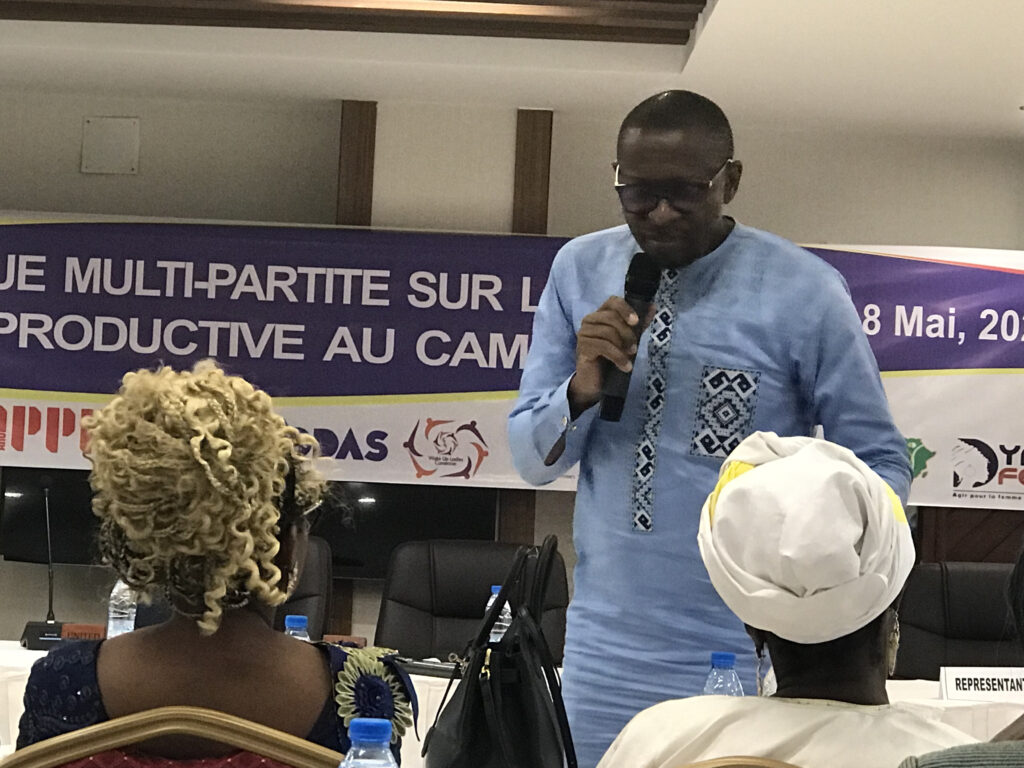
Essiben states that “a new law is not just a text but will save a life” while discussing the reality in hospitals at the first national multi-stakeholder meeting on reproductive health, held in Yaoundé from May 7 to 8.
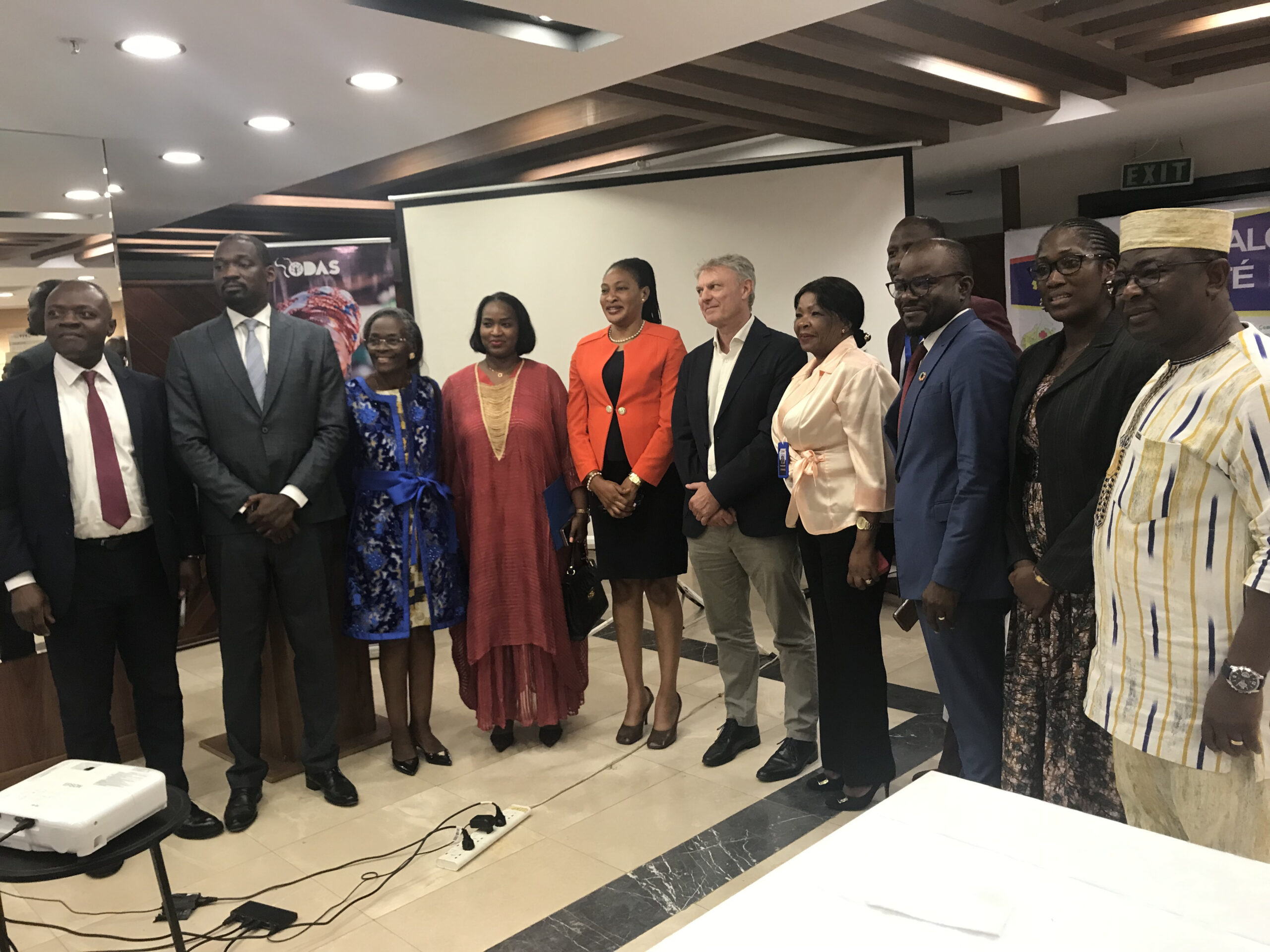
Organised by the Ministry of Public Health in collaboration with CAMNAFAW and with technical assistance from ODAS, the meeting brought together key ministries – Health, Justice, and the Promotion of Women and the Family – civil society organisations; feminist networks; and partners – UNFPA, the French Embassy, WHO, Pathfinder, and AmplifyChange – to create a space for ongoing dialogue between the government, civil society, and technical partners.
The meeting was organised in the context of the proposed Reproductive Health (RH) law, in relation to Cameroon’s international commitments, particularly the Maputo Protocol, and to document barriers and opportunities to improve access to safe abortion within Cameroon’s legal framework.
Reproductive health is a matter of public health and dignity. Despite the drop in maternal deaths from 406 to 248 per 100,000 live births, the contraceptive prevalence rate is still limited to approximately 20%; there is an urgent need to reduce preventable maternal deaths, particularly those linked to complications from unsafe abortions.
CAMNAFAW leading the way
With the above figures, CAMNAFAW underscored the legitimacy and importance of domesticating the Maputo Protocol, given the gap between what is signed and what obtains in our national context.
Against this background, CAMNAFAW in 2024 brought together parliamentarians and senators to chart the way forward, leading to a special session in parliament on the domestication of the Maputo Protocol. Recommendations from parliament are being implemented in different sectors. Recently, CAMNAFAW held a meeting with the Ministry of Justice to propose amending the Penal Code to align it with the Maputo Protocol.
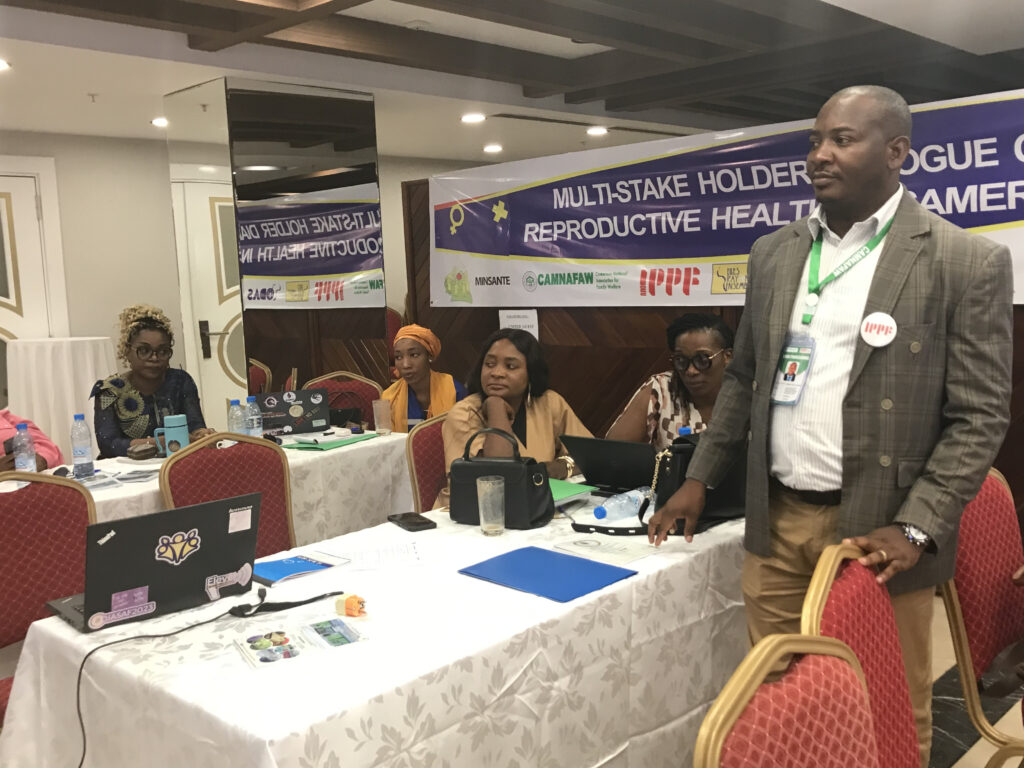
Work is in progress, and CAMNAFAW continues sensitisation to accompany the Ministry of Health on the elaboration of the law on the health of reproduction and to ensure the Penal Code aligns with aspects of the Maputo Protocol,’ said Guy Martial Mendo Ze, Coordonnateur of the CAMNAFAW project, ‘Ado Avance Ensemble’.
To him, the work does not stop with the Maputo Protocol, as many things have changed since 2023. “We are also trying to contextualise and actualise, to insert the registration age and the deadline for the case treatment by the magistrate in the Penal Code,” Mendo Ze explained.
ODAS federating efforts for access to safe abortion care
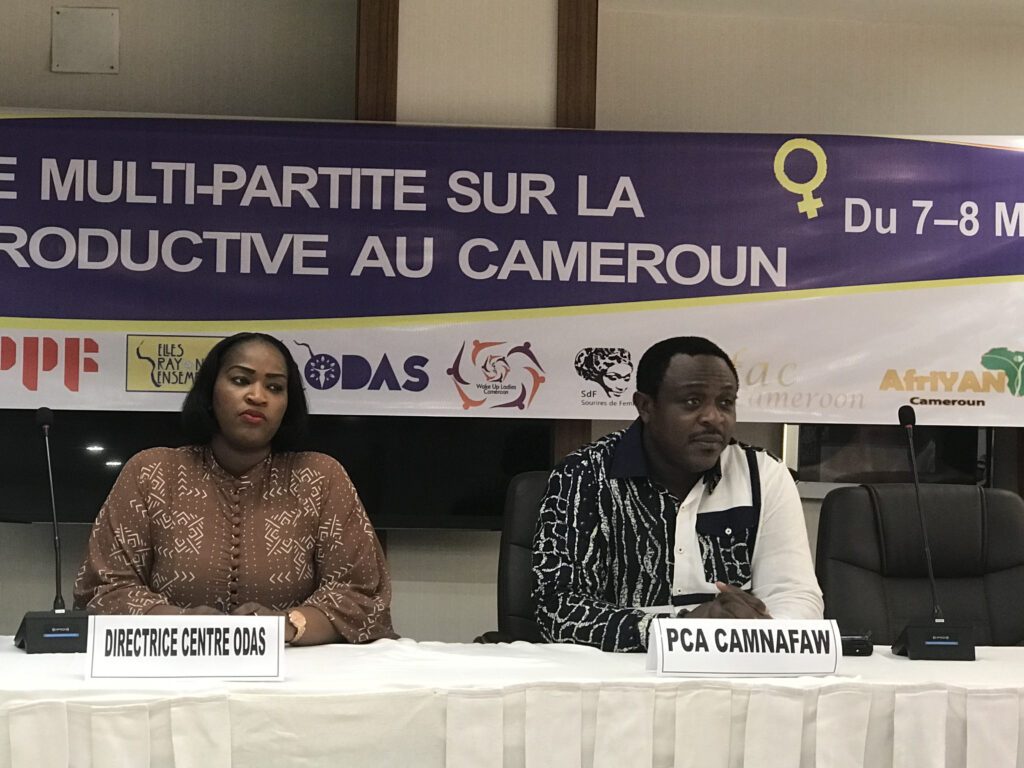
Kadidiatou Sow, Director of ODAS, an NGO focused on sexual, reproductive, and health rights in Francophone Africa, hailed the sincerity and commitment shown during the meeting. ODAS partners with multiple actors, including institutions, civil society, and feminists, in line with the mandate of access to safe abortion. but also advises financial partners on where to channel funds, Sow stated.
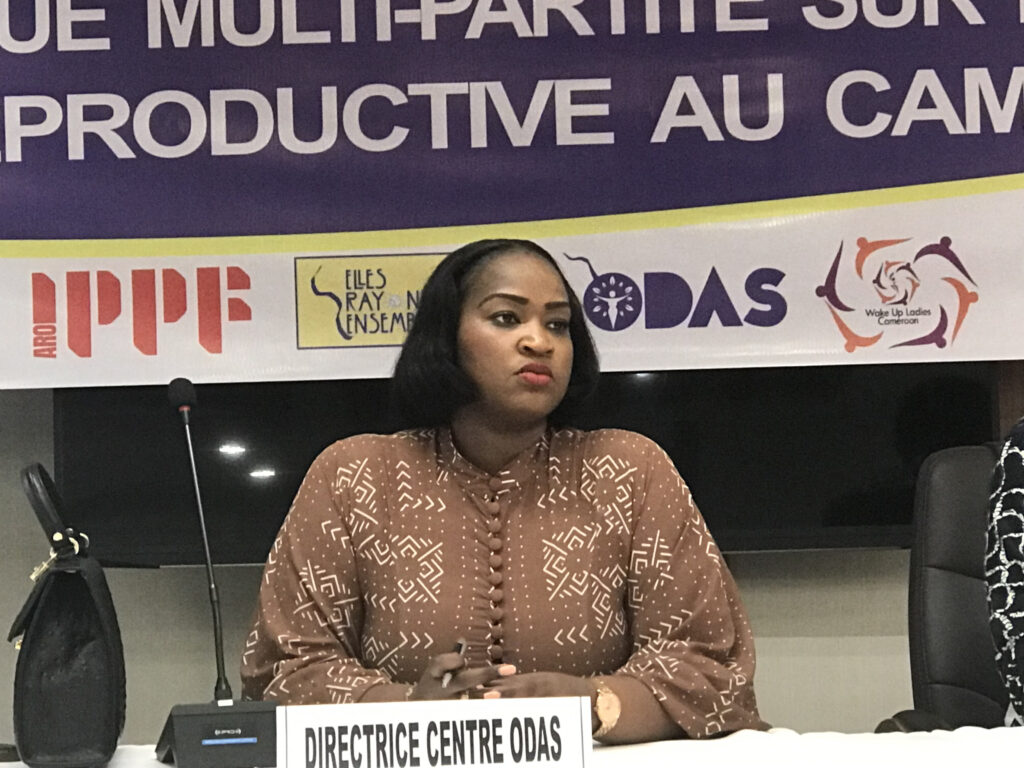
At the end of the forum, “We are going to document the context of sexual and reproductive health rights in Cameroon with rich data from presentations to create a country profile and cartography of ongoing initiatives and the forum report for a clear understanding of the abortion ecosystem with different aspects, such as advocacy, capacity building, legislation, health systems, and youth involvement and the available resources and organisations to identify underfunding areas,” Sow stressed.
Besides, there will be an evaluation of the level of implementation of the Maputo Protocol. “It is not because we have not domesticated the protocol that nothing is done, and we continue to accelerate advocacy for domestication,” said the ODAS boss. Given the backdrop of scarce external finances, her revelation of coordination and financial inadequacies is pertinent to the ongoing reflection on looking inwards for funding.
ODAS is also active in reinforcing the national efforts on the Maputo Protocol and will organise a high-level meeting with ministers of health, justice, education, and decision-makers from 11 countries in the region.