
By Leocadia Bongben
WWF Cameroon has proposed an integrated approach to combat biodiversity loss in a new project concept paper to funding partners, following an assessment of Phase II of the Biodev 2030 program. The proposed project, seeking multiple funders, is estimated to be above 3 million and was designed after consultations with communities and partners.
“The concept note places rural communities at the heart of the solution, aiming to reconcile the conservation of biodiversity with local economic development through the promotion of a strong system of sustainable forestry, the valuation of non-linear forest products, the restoration of natural ecosystems, the payment of environmental services, the reinforcement of local and institutional capacities, and the improvement of the mechanisms of management of natural resources,” stated Alain Bernard Ononino, Country Director of WWF Cameroon. “Our goal is to use biodiversity protection as a tool for resilient, long-lasting, and inclusive rural development,” he added.
Meanwhile, key achievements were identified in the evaluation of phase II of the Biodev2030 initiative implemented by IUCN and WWF France and financed by the French Development Agency, AFD, to the tune of 10,000 euros.
The achievements of the initiative include the revision of the National Biodiversity Strategy and Action Plan, the production of a referral and guide for the integration of biodiversity into development projects, and the finalization of the national biodiversity management plan, taking into account regulation, international standards, and local realities.
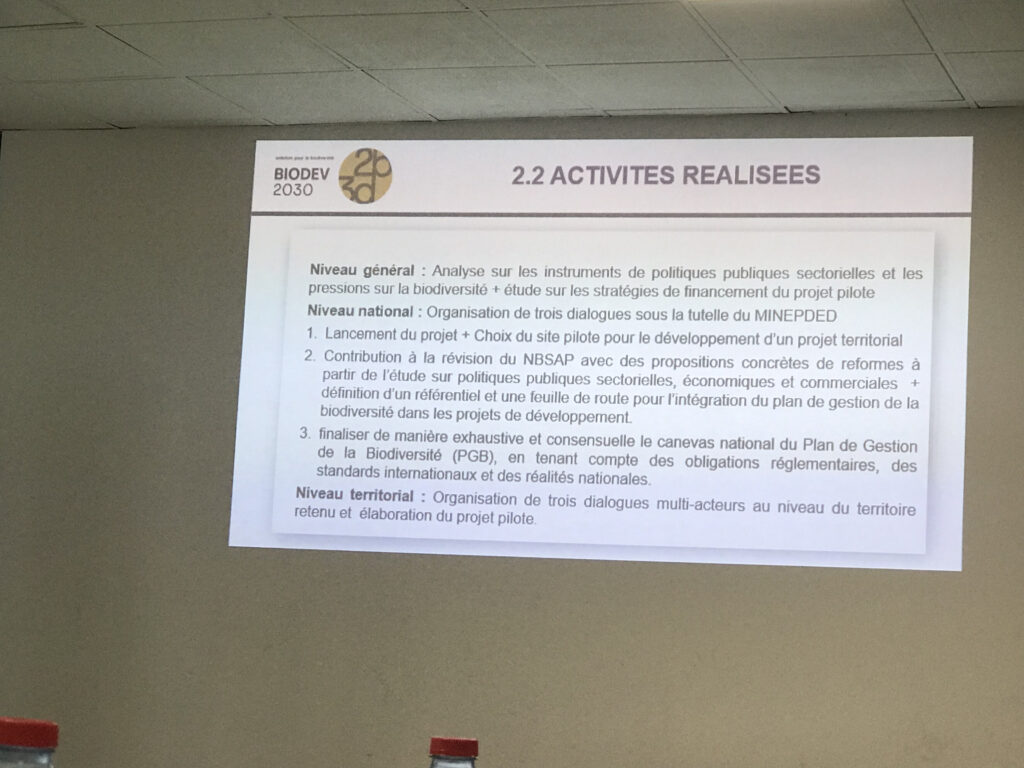
Before the Biodev 2030 pilot project, Noah Ombede Jean, a cocoa farmer from Mintom in the East region, said they were merely groping in the dark with cocoa farming, but the situation has changed. About 80 percent of the farmers, including Ombede, are presently integrating best agricultural practices, which is one of the achievements of phase II of Biodev 2030.
“We noticed that there was no light penetrating our cocoa farms, and over the years, the soil has become arid. We presently implement good practices of how to farm cocoa under the shade of trees to protect biodiversity. We also understood that it’s not the fact of always expanding and clearing the forest that will lead us to high yield and a good harvest, but maximizing the space,” Ombede said.
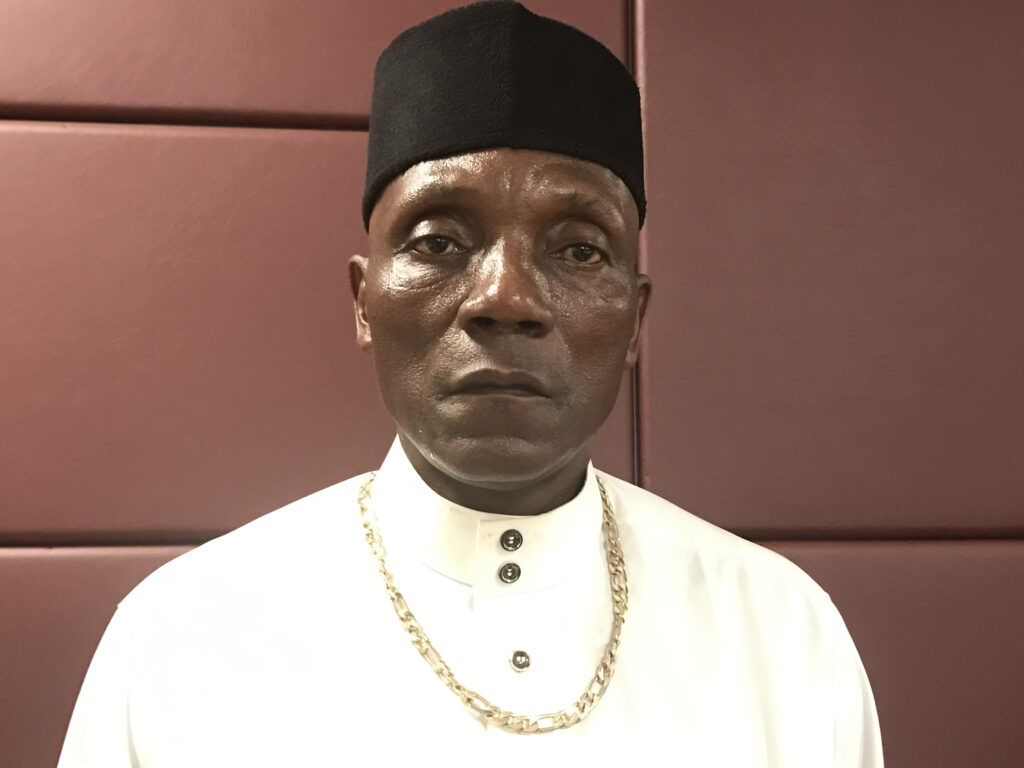
Ebenezer Assah, coordinator of the Biodev 2030 Project, states that after this second phase, it is evident that cocoa farmers are growing more conscious of how their practices affect biodiversity. However, more stakeholders must become involved in spreading awareness and, more importantly, supporting tangible actions to go along with this awareness-raising.
By implementing best practices, we can rehabilitate old plantations and abandoned fields through sustainable, responsible practices and include productive species with a short production cycle.
“We need to clearly define the needs of stakeholders, particularly local communities and indigenous peoples, and see how we can really support them in limiting deforestation. We need to think about alternatives,” Assah stated.
“Human life is at stake, and when we lose biodiversity, we also lose people in forest areas that are closely related to biodiversity. To lessen the strain and guarantee that humans, the populations that profit from this biodiversity, continue to do so and that future generations will also benefit from it for the rest of their lives, we need alternatives,” Assah said.
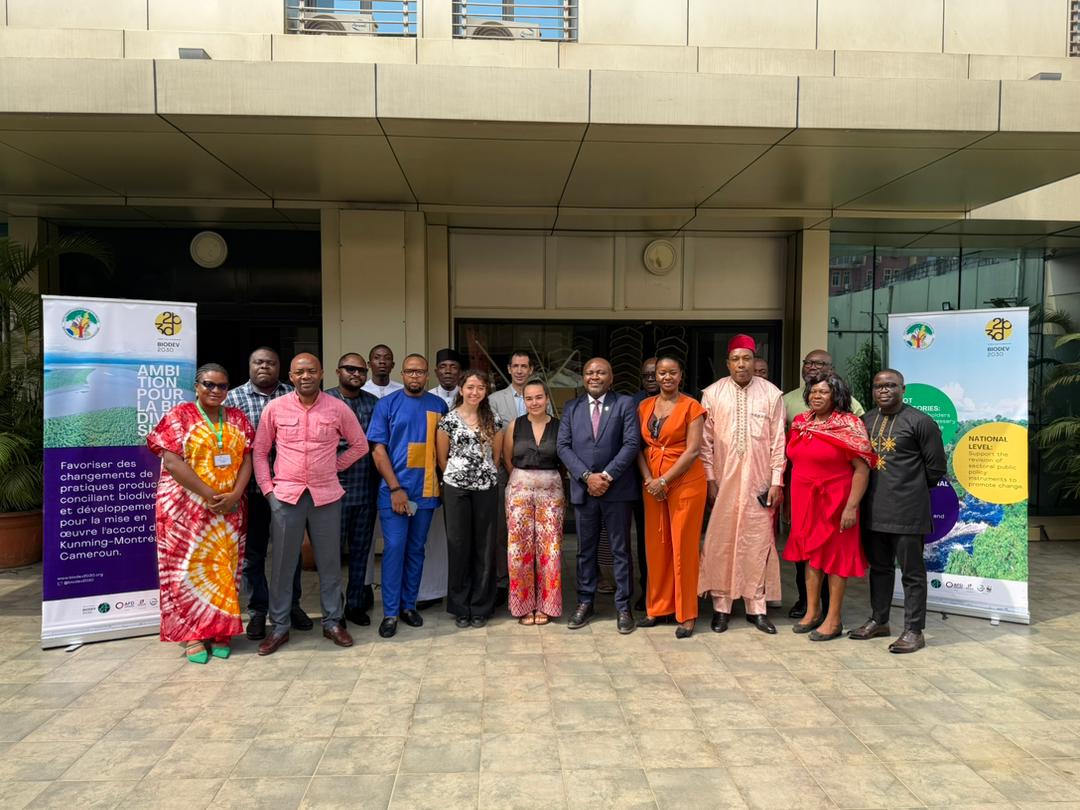
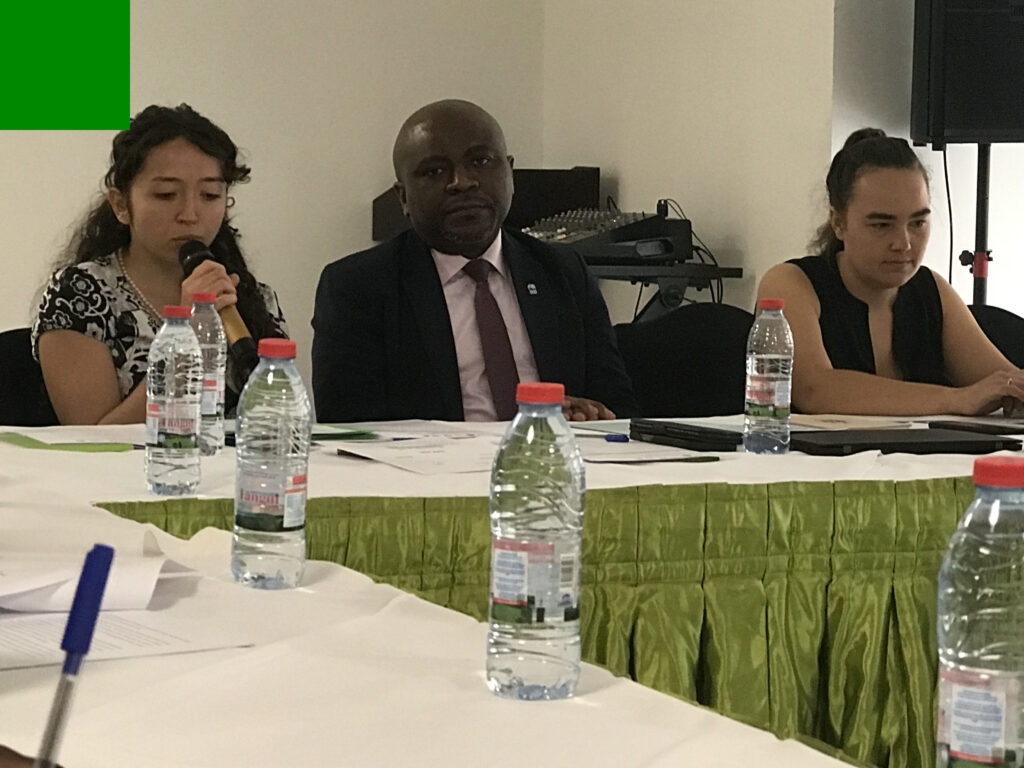
During the evaluation meeting of phase II, Marco Nolet, Charge de mission AFD, recalled the context that led to the Biodev2030 initiative. Going by her, Cameroon is home to one of the richest and most diversified biotopes in Africa, both in terms of variety and quantity of ecosystems, with a strong number of endemics. The country also has the second-largest forest massif in the Congo basin, with a forest covering about 45% of its territory. This biodiversity is playing an essential role in the well-being of local populations, allowing for the processing of various products, such as agriculture and other natural resources. However, she said, about 60% of rural populations who depend directly on these ecosystems are the most exposed and the most vulnerable to biodiversity loss. One million species, animal and plant species, are currently extinct, and we are witnessing several strong degradations of biodiversity, almost as fast as deforestation. In view of these observations, sustainable development strategies must target co-benefits in four complementary registers, which are attenuation, adaptation, development, and nature-related, Nolet said.
The Biodev2030 initiative was launched in 2020 to promote multi-stakeholder dialogue to integrate biodiversity into economic development strategies. Biodev2030 thus contributes to implementing the Kunming-Montreal Biodiversity Framework in 15 countries, including Cameroon. The initiative falls within the global context marked by a biodiversity crisis and growing awareness of ecosystem conservation while pursuing sustainable development objectives.
Phase 1 of the project (2019-2022) enabled an in-depth diagnosis of the sectors with an impact on biodiversity in Cameroon, such as agriculture, infrastructure, and commercial plantations. The diagnosis revealed that cocoa, palm oil, and rubber production contribute significantly to deforestation, soil degradation, and biodiversity loss. Recommendations were then made for more sustainable management of these sectors.