

By Leocadia Bongben
In 2025, a conflict emerged between Mbororos and Baya in the Ngaoundal and was successfully quelled. However, conflicts with the Mbororo are a daily occurrence, attributed in part to the many development projects in the area, reducing space for the local population.
Though the demographic density is in the order of 19 inhabitants per square kilometer, the region is already under 75 percent of government projects, states Herve-Pierre Madougou Yagong, head of the civil society organization, Terre et Development Durable, TDD.
He maintains that Adamawa is the first producer of cattle in Cameroon, which, in 1999, according to the Ministry of Livestock and Fisheries, registered 10 million heads of cattle in the region. With the breeding system, it takes two hectares of pasturing per year for a cow, hence the need for 20 million hectares for the entire surface area of the region, 6.3 million hectares.
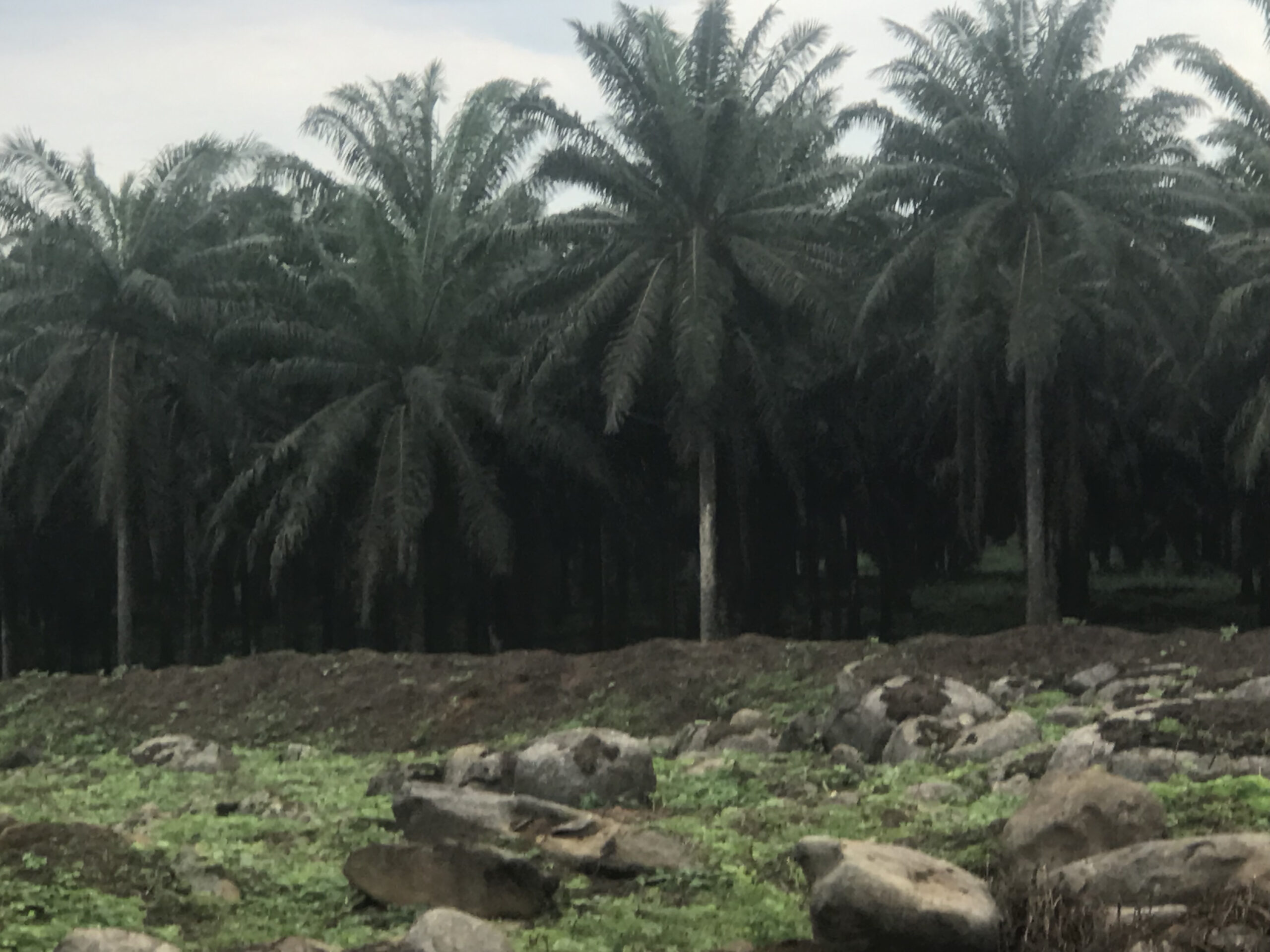
Agro-industrial projects like the Plaine Centrale project cover more than 400,000 hectares and started with deforestation, which increases the temperature, reduces the availability of water, and destroys pastures. Yagong explains that the indigenous peoples of the Adamawa region, especially Mbororos, are affected in their mobility and in their means of existence, pushing them to enter into conflict with other communities. There is also Sopoicam with about 2000 hectares of land in Nga-ha for the production of soybeans. Others are mining, hydraulic, hydroelectric, and water-dam projects.
The mining sites in demand and attributed to the region of Adamawa represent 75% of the surface area, two national parks, including the Mbere Valley Park, two areas of synergistic interest, two dams, the hydroelectric dam of Nga-ha and the water retention dam of Mbakaou, and agricultural industries, which make up 509,000 hectares in Tibati and Didi, leading Adamawa at 207% of its land capacity under state-owned enterprises.
To Yagong, these development projects are the source of environmental crimes—prejudiced against the local population and indigenous people, due to lapses or non-respect of the environmental and social management plan.

He said the population welcomes development but decries defects in the planning of the sites. “People stay in the ministry and attribute mining sites, research permits (exploitation permits), without the ability to follow up. A mining permit has a minimum surface area of 150 to 250 square kilometers. But territories are attributed to individuals. The follow-up in relation to environmental and social standards is not respected,” he laments.
The TDD published a report on the structural factors, both budgetary and non-budgetary, that contribute to the northern regions’ environmental degradation and famine risks, determining the degree of functional pressure by department and by location. It states that mining sites that have been found, are being considered, or have been awarded permits have an impact on 13 of the 15 departments in the Adamaoua, North, and Far North areas. In the Adamaoua region alone, 71 companies have been identified, with mining concessions covering an area of 4,314,076 hectares. In Didi, there is the Plaine Centrale project, which overlaps with two mining permits.
It is against this backdrop that TDD Boss decries the fact that each ministry has its own permit and manages the land as it wants without concerting with the others. “The government needs to harmonize the land tenure and have a unified system, given that in Cameroon, no administration knows what the other is doing, and fundamental reform is needed that takes into account the realities of the country,” he says
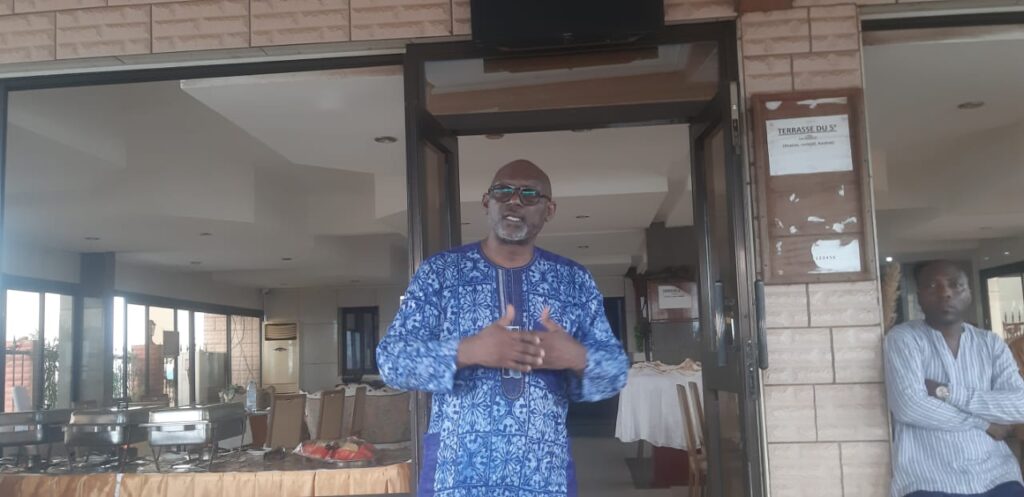
Reacting to the effects development projects have on the local population, after a two-day workshop with local communities, Samuel Nguiffo, Director of the Center for Environment and Development (CED), says it is difficult for the community voices to be heard because they don’t master the law. “They are not able to determine if an activity nearby is legal or illegal, and even if it affects them, they may remain silent because it is authorized by the government. But if they are aware that there are irregularities in the projects, they can become intermediaries to the government for decisions to be taken.”
Adamawa is not the only region affected by development projects; the East, South, and Litoral are not left out. To Nguiffo, “It is important to verify accusations from the local population and have concrete proof to aid the government in the face of irregularities.”