
By Leocadia Bongben
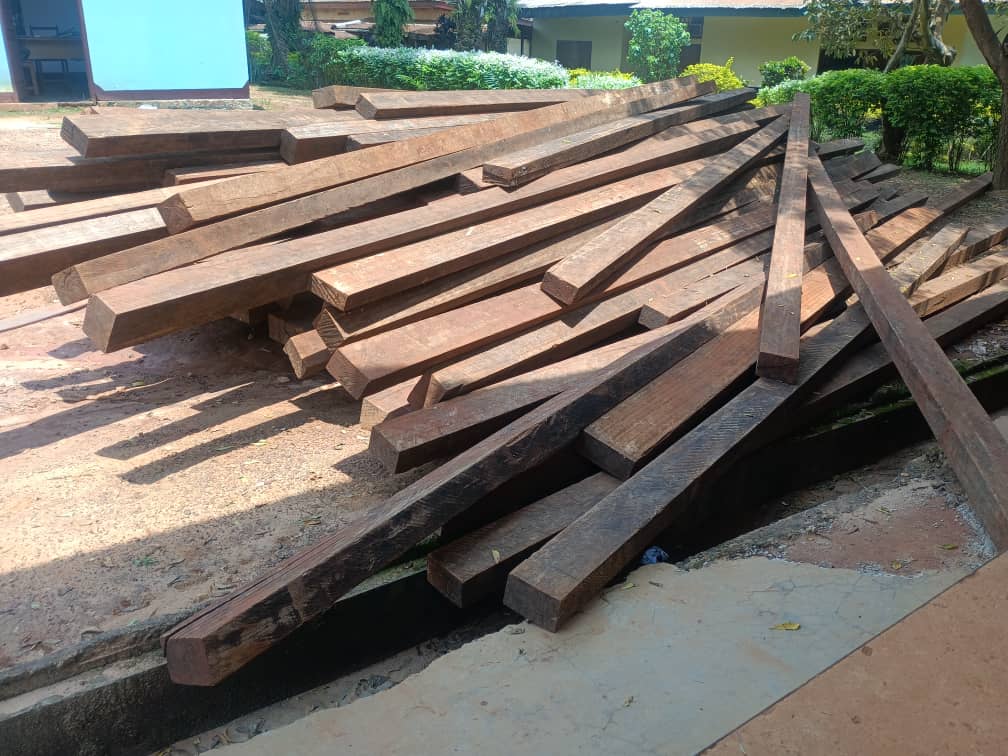
Environmental crimes in Cameroon are widespread and involve illegal mining, logging, and wildlife trafficking, motivated by widespread corruption and poor governance, which result in massive deforestation, biodiversity loss, and pollution.
These interconnected crimes use the same networks and routes, with hotspots in the Eastern Region and Douala, impacting communities and necessitating stronger enforcement and policy reform to combat them, experts say.
CSOs are vital in denouncing and combating environmental crimes, but they face overlapping risks from criminal networks, corrupt institutions, and hostile governments and local elites. Their resilience depends on solidarity, resources, and protective legal frameworks
Consequently, due to their involvement in the fight against environmental crimes, they face several challenges, including exposure to harm from traffickers’ networks.
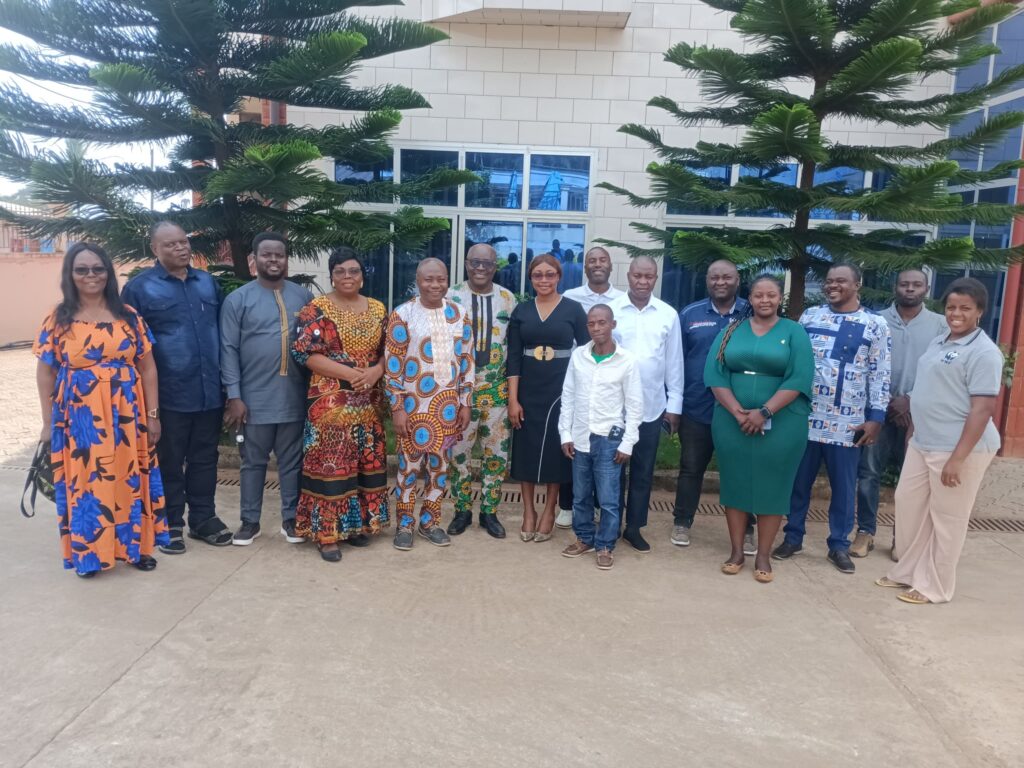
Within the framework of the project titled “Contribution to Enhanced Protection for Civil Society Organizations Collaborating in the Detection and Reporting of Suspected Environmental Crimes,” supported by the German Federal Ministry for the Environment (BMUV) and the International Climate Initiative (IKI), WWF and key partner civil society organizations met in Bertoua on 18 December 2025, to share and adopt a common protection strategy.
The meeting brought together over 10 NGO representatives, including Transparency International, Greenpeace, FODER, and the Network of NGOs in Southeast Cameroon (ROSE). Discussions focused on tools and mechanisms to strengthen the protection of CSOs engaged in detecting and reporting environmental crimes in the TRIDOM and TNS landscapes.
“This workshop made it possible to bring together the network of CSOs working in the TNS and Tridom landscapes. Likewise, the workshop saw the participation of CSOs with extensive experience in combating environmental crimes (Greenpeace, FODER, and Transparency International…).
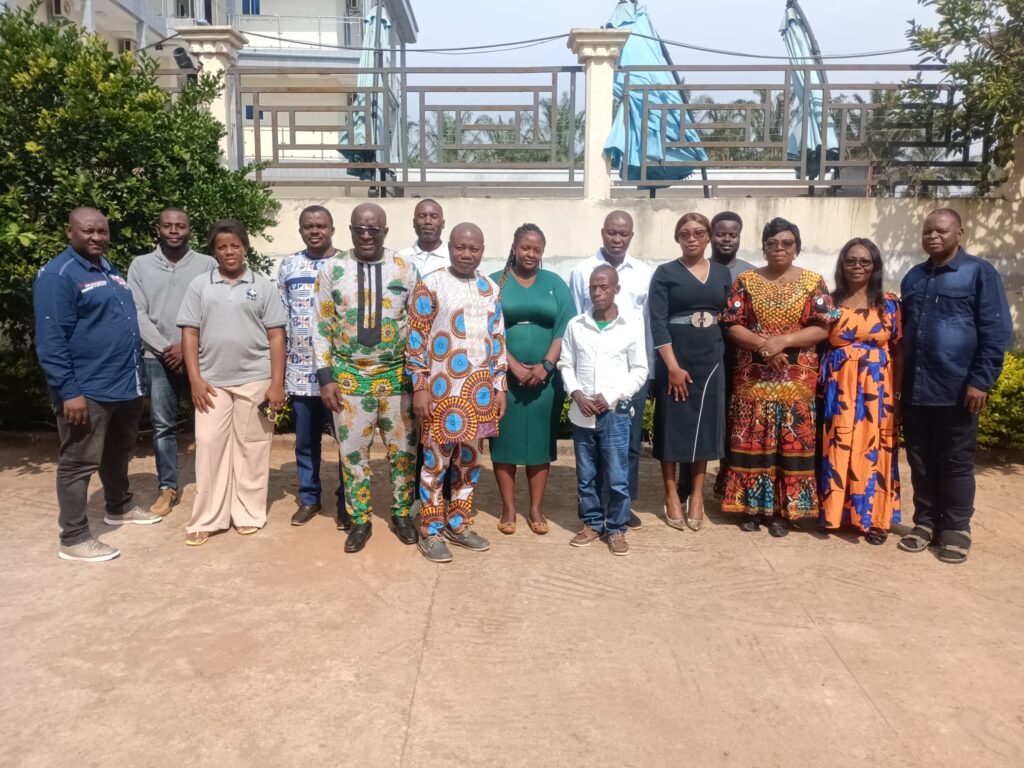
Through their presence, the draft strategy was improved, and the tools and mechanisms for protecting CSOs engaged in fighting crimes were clearly identified and validated. They will be developed, and capacity-building sessions will be organized for their implementation and dissemination,” said Alphonse Ngniado, WWF Cameroon Forest and Biodev Coordinator.
Capacity building and fostering synergy among actors combating environmental crimes, strengthening trust through credible, fact-based reporting, and conducting thorough risk assessments before engaging in denunciation activities were among the recommendations from the meeting.
WWF launched the project in July 2025, which aligns with its broader strategy to combat climate change and biodiversity loss, in collaboration with INTERPOL, with the main objective of protecting CSOs engaging in the fight against environmental crime, for example, illegal logging. Focus is on combating illegal logging, poaching, and wildlife trafficking, which pose a serious threat to ecosystems, iconic wildlife, and the livelihoods of local communities. Also, enhance monitoring, early warning, and advocacy systems by strengthening the role of CSO actors in identifying and reporting environmental crime-related acts to law enforcement.
The three-year project implemented in the Cameroon segments of the TRIDOM (Tri-National Dja-Odzala-Minkebe) and the TNS (Tri-National de la Sangha) landscapes will bolster international collaboration and law enforcement efforts to curb criminal activities.