

By Leocadia Bongben
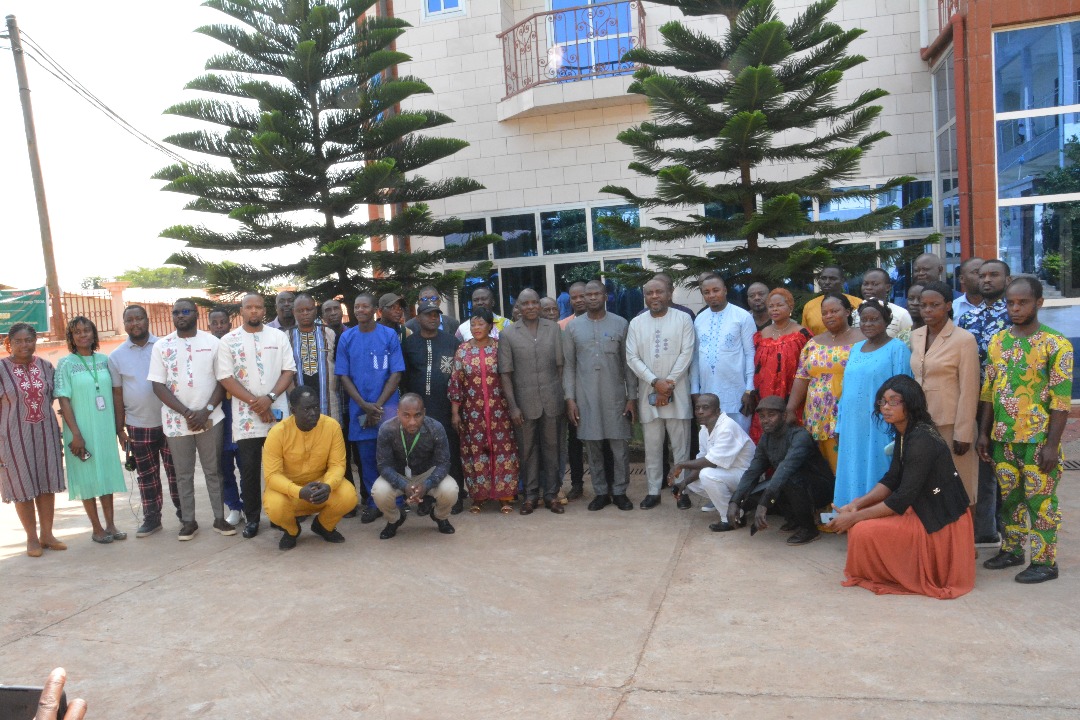
A new project, Reducing Poverty and Nature Loss Through Sustainable Opportunities (RESPONSE), is underway in local communities in Yokadouma, in the East region within the TRIDOM Cameroon landscape. The project, launched by WWF in Bertoua on December 17, promises to combat deforestation, promote sustainable cocoa production, and improve the livelihoods of local and indigenous communities.
Jean-Paul Nlend Nkott, Commodity Lead and Senior Cocoa Expert at WWF Cameroon, situated the project within the context of Cameroon, a country with 43.1 percent of forest cover, representing 10 percent of the Congo Basin, with reserves like the Dja and national parks (Nki and Boumba Bek), yet experiencing significant deforestation exacerbated by climate change.
Increased demand for cocoa beans, the opening of new farmlands, and illegal exploitation of forest resources are enabling deforestation. It is against this backdrop that the project aims to increase productivity in existing farmlands and support local communities to respect norms and human rights in the production of cocoa.
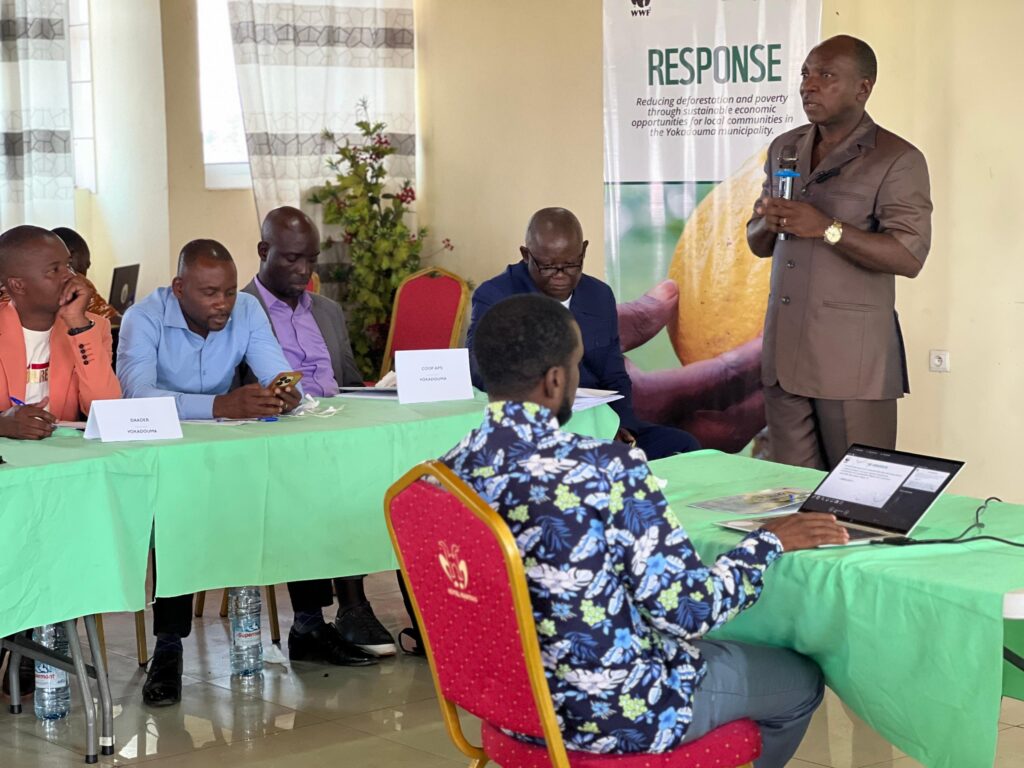
If community forests are managed sustainably, local communities have access to development resources, and vulnerable groups, including women’s capacities, are reinforced to understand their rights and their role in the sustainable management of natural resources, pressure on the forest ecosystem will reduce, Nlend Nkott said, presenting RESPONSE.
At the launch of the project, Alain Bernard Ononino, WWF Cameroon Country Director, stated, “This project is particularly significant as it places communities at the heart of conservation. By working with cocoa producer cooperatives, non-timber forest product collectors, and community forests, RESPONSE will help combat deforestation, strengthen sustainable livelihoods, and improve the well-being of local populations.”
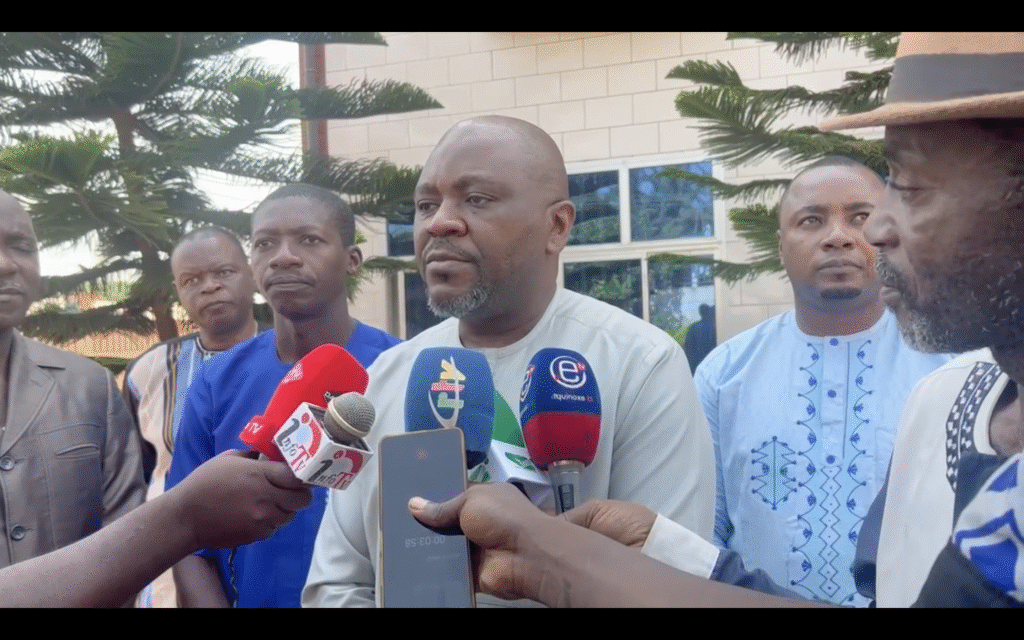
“The project targets indigenous people and local communities because they are at the center of conservation efforts, since they live around protected areas. This will be done through support to sustainable agriculture, particularly sustainable cocoa production, and accompanying them through the harvesting of non-timber forest products, which is an ancestral and cultural practice for them. It is important to continue to support them so that they can get sustainable livelihoods for them to be effective in supporting conservation work and their well-being as well,” he added.
The five-year project involves six community forests, two cocoa production cooperatives, and one NTFP collection and transformation cooperative.