
By Leocadia Bongben
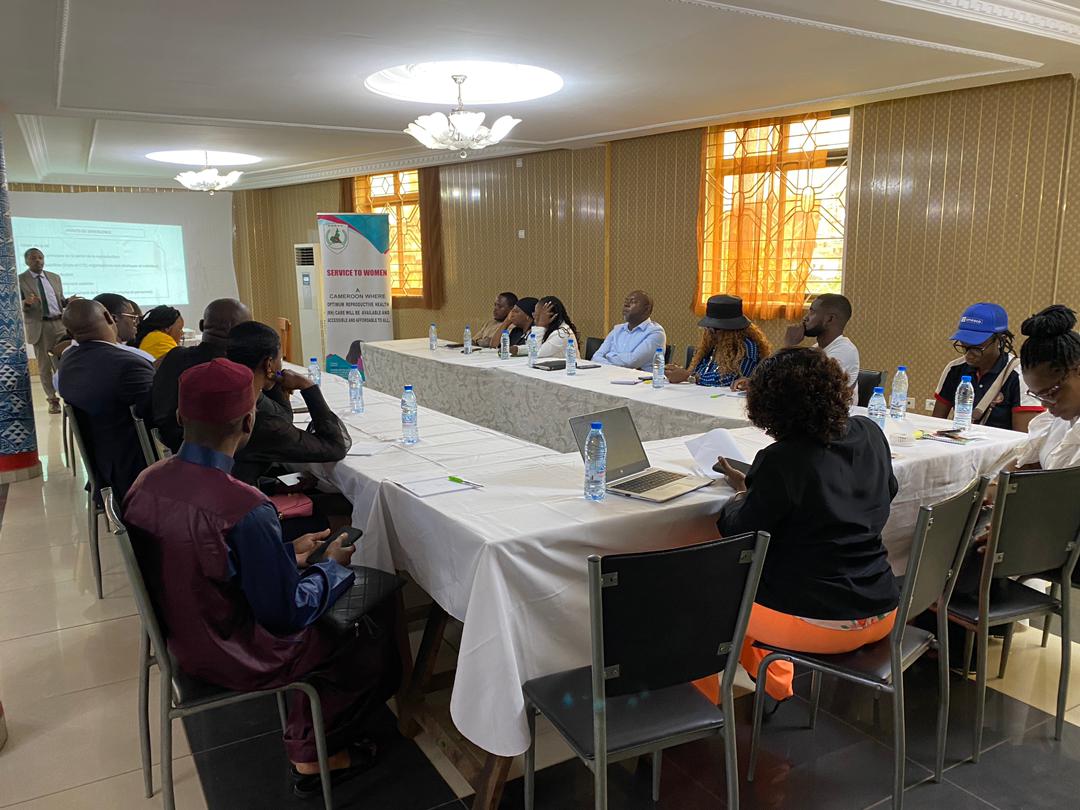
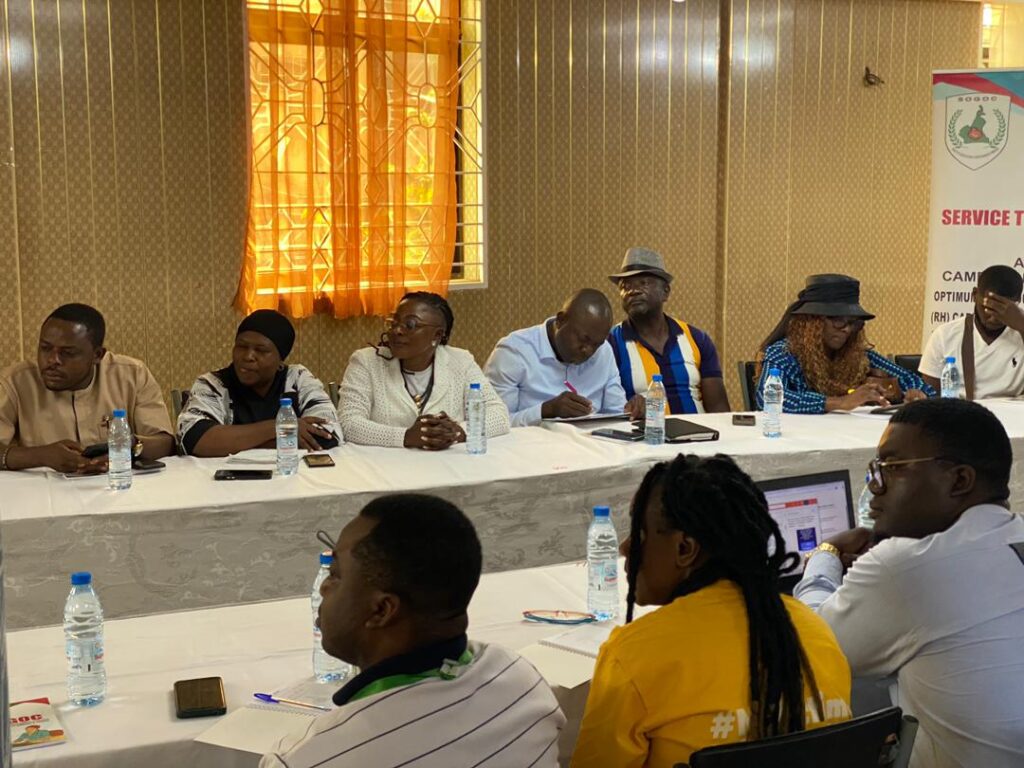
The Advocacy for Comprehensive Abortion Care (ACAC) network of the Society of Gynaecologists and Paediatricians of Cameroon (SOGOC) familiarised itself with legal provisions on women’s health rights.
The network held the meeting within the context of the 16 Days of Activism against Gender-Based Violence, at the Nobless Hotel in the Nkoleton neighbourhood in Yaounde on December 1.
Ngabir Rita Yenjong, SOGOC Project Manager, explained that the focus on the sexual and reproductive health legislation in Cameroon is within the context of an invitation from the Ministry of Health Department of Family Planning, in line with a request from parliament. It is within this context that the ACAC network decided to familiarise itself with the pertinent sections of Cameroonian law and contrast them with those found in other African nations, she stated.
On this occasion, the legal expert highlighted the legal foundation of the case for a law on sexual and reproductive health rights. To the legal expert, Cameroon does not yet have a law on sexual and reproductive health, though there are related sections. Sexual and reproductive health rights are human rights, and when a country ratifies treaties, it takes measures to protect the rights therein, the expert said. However, given that sections of the treaty are not precise, there is a need to provide implementation details.
The expert cited the Maputo Protocol as an example, stating that it mandates the state to take action to implement legislative measures. Also, certain decisions demand government action on treaties. Cameroon domesticates international treaties under Article 45 of the constitution, but in reality, stakeholders tend to use national laws.
To the experts, some African countries have specific reproductive health laws, such as Guinea, Senegal, Mali, Burkina Faso, Niger, and Togo. Benin stands out with a more explicit law on sexual and reproductive health.
Underscoring the importance of the meeting, Dr Anny Ngassam, SOGOC deputy secretary, maintained that there are grey areas in which the women are not independent concerning their reproductive health rights, such as family planning, access to healthcare, and the shocking issue of abortion.
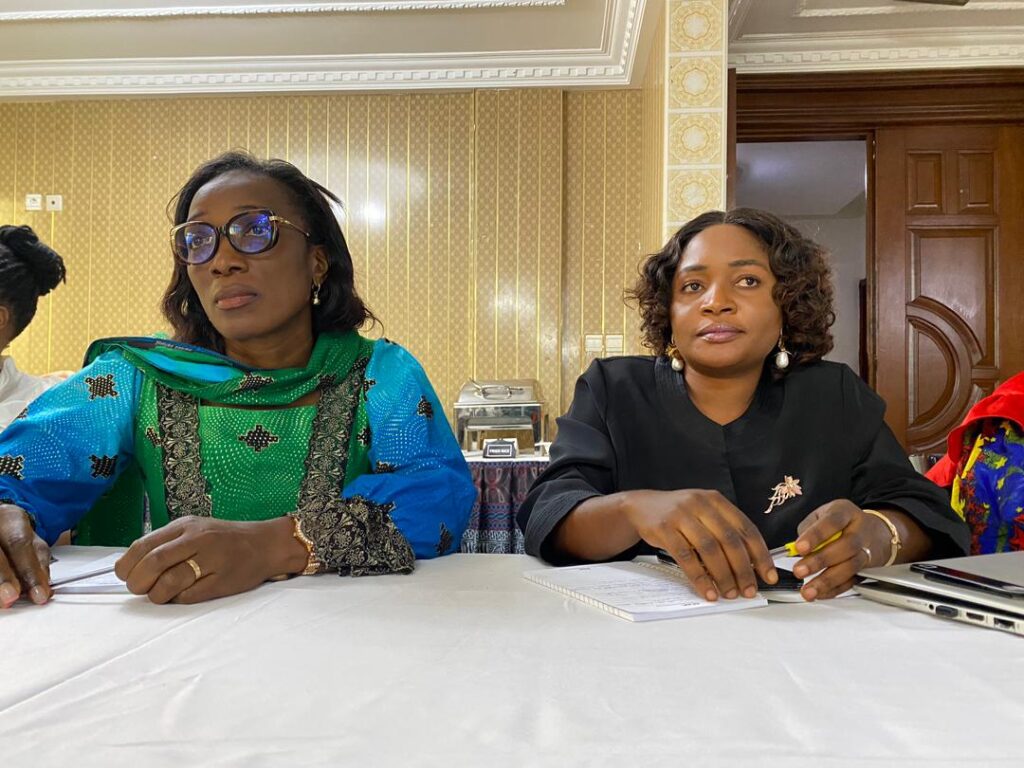
The regulations are quite restrictive, especially in the case of rape; the process is too long, considering that there is a court aspect that comes into play. To declare that a woman was raped, it is the court – and not a doctor, Ngassam regretted. By the time the procedure is concluded, the pregnancy has evolved to the stage of delivery. There is an acceptable age for pregnancy to progress more effectively; hence, a lady may no longer be able to obtain a legally guaranteed safe abortion. Abortion is only guaranteed in Cameroon’s penal code in cases of rape and when the mother’s life is in danger.
SOGOC is not advocating for abortion but fighting against maternal mortality. Statistics show that two out of three women die from complications of unsafe abortions carried out by non-competent people. Ngasam emphasised. “The government decides on health issues and not the medical practitioners. To advocate for change, there is a need to brainstorm on the best terms and best manner for them to understand we are not against the law but to present a reality women face, which is death related to security due to lack of quality care,” Ngassam emphasised.