
By Leocadia Bongben
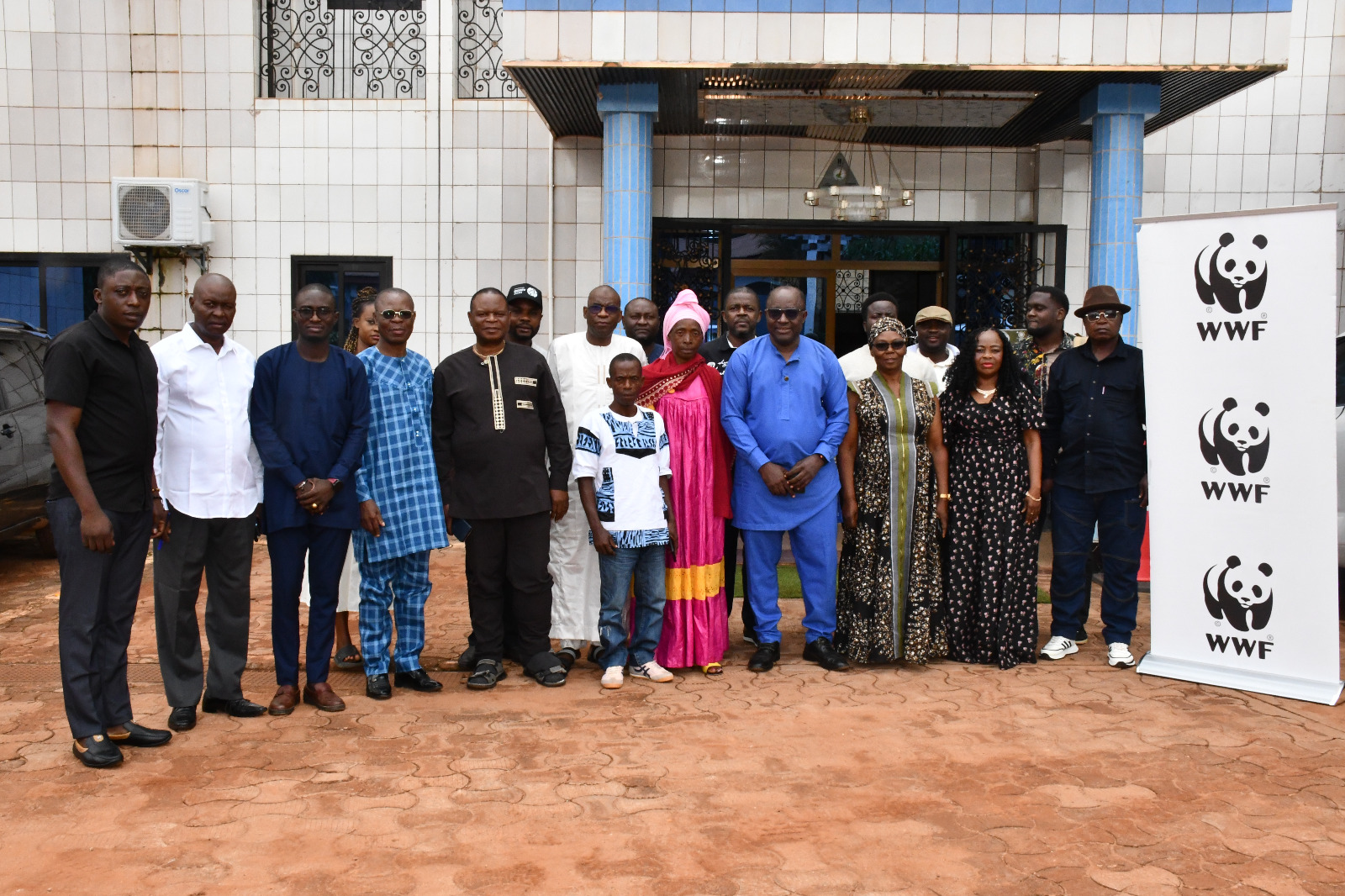
Civil society organizations (CSOs) operating in eastern Cameroon have strengthened their capacity to detect environmental crimes, protect themselves in the field, and safely report violations following a training workshop organized by WWF in collaboration with TRAFFIC and Transparency International.
Held in Bertoua on June 17th to 18th, 2026, the workshop brought together 22 participants representing 12 local and international organizations. They examined the main risks faced by CSOs while carrying out environmental monitoring activities, as well as proposed tools to mitigate them.
Among the challenges identified were physical and verbal abuse, confiscation of equipment, arbitrary legal proceedings, and gender-based violence. Participants proposed a range of mitigation measures, including enhanced legal protection, strengthened technical capacities, provision of protective equipment, and closer collaboration with public authorities.
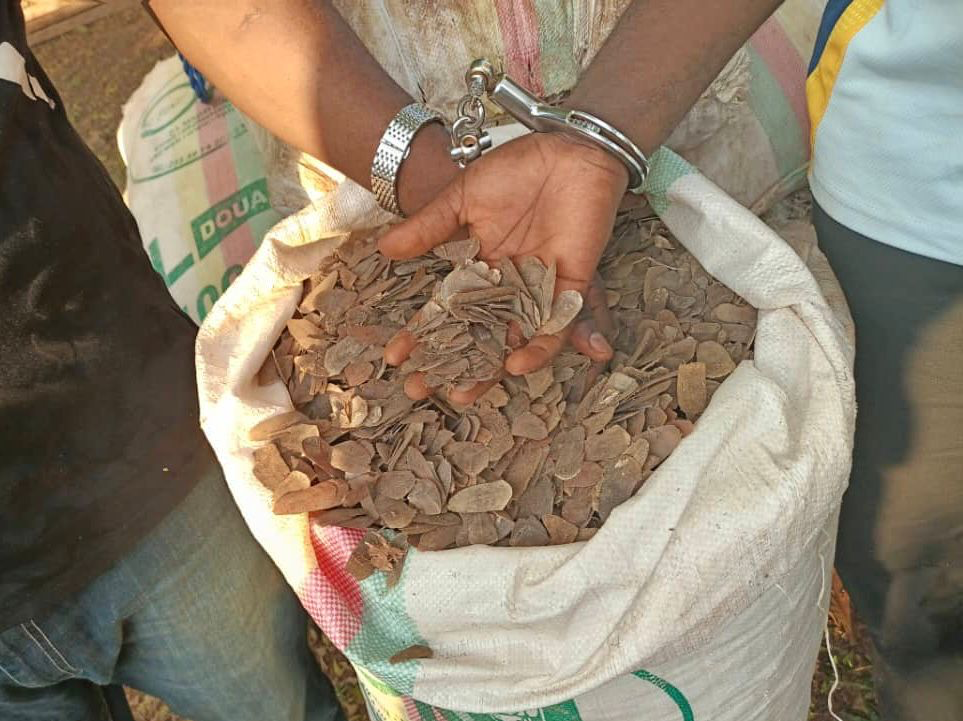
To support their work in combating illegal logging and wildlife trafficking, participants were introduced to several innovative monitoring and reporting tools, including Timber Tracker, Wood ID, TimberStats, and AFRICA-TWIX. They also received practical guidance on identifying wildlife products such as elephant ivory and pangolin scales.
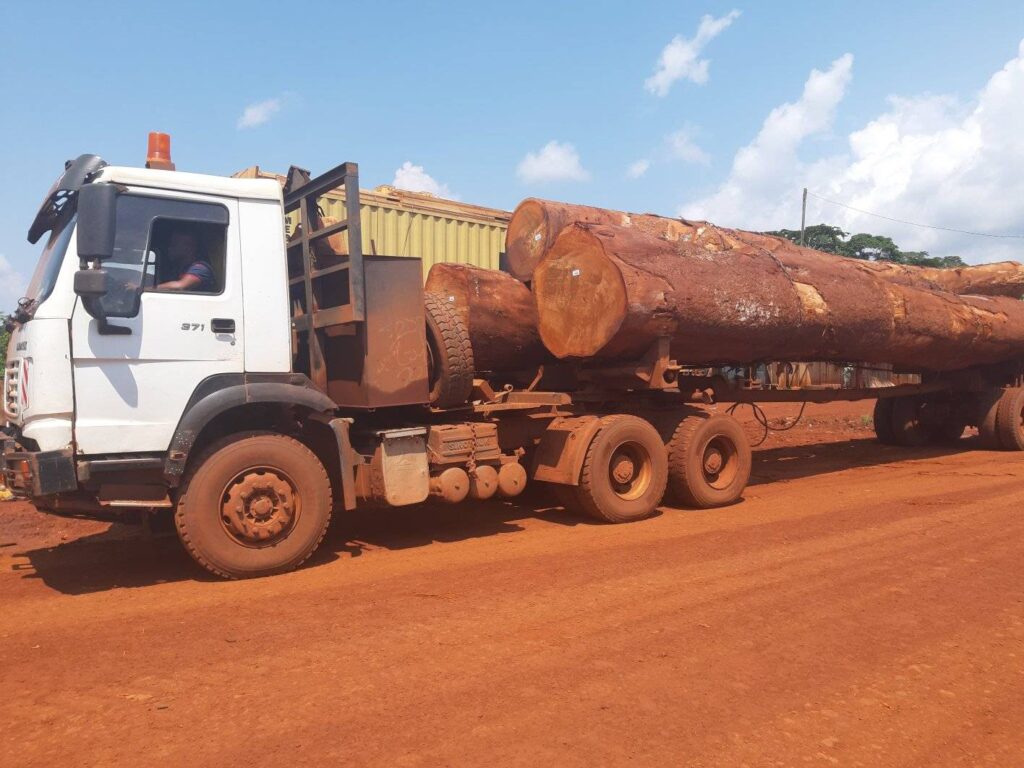
Presenting the environmental crime situation in Southeast Cameroon, the Divisional Delegate for MINFOF in Boumba and Ngoko, Halla Alhadji, highlighted the anti-poaching operations carried out by his service over the past year. These included 34 anti-poaching operations, the seizure of illegal timber valued at 217 million FCFA, and the arrest of 82 suspects. He also outlined sanctions contained in the July 2024 Forestry and Wildlife Law, which provides penalties of up to 20 years’ imprisonment and civil damages of up to 50 million FCFA for the killing of totally protected species.
The stakeholders agreed on a set of clear responsibilities for WWF and its partners (TRAFFIC and Transparency International), as well as participating CSOs. Key actions include the establishment of a shared coordination and information-sharing platform, the development of standardized reporting tools, the harmonization of CSO protection mechanisms, the organization of a multi-stakeholder dialogue, and the creation of a monitoring and whistleblower follow-up mechanism.
For Alphonse Ngniado, the project coordinator, combating environmental crimes requires collective and concerted efforts by various actors. “Our role is to provide CSOs with the necessary tools and techniques to enable them to effectively perform their roles safely.
The workshop forms part of the project titled “Contribution to Enhanced Protection for Civil Society Organizations Collaborating in the Detection and Reporting of Suspected Environmental Crimes,” supported by the German Federal Ministry for the Environment (BMUV) through the International Climate Initiative (IKI). Launched in July 2025, the project contributes to broader efforts to combat climate change and biodiversity loss while strengthening collaboration with INTERPOL and other stakeholders. It seeks to enhance the protection of CSOs engaged in the fight against environmental crimes, particularly illegal logging, poaching, and wildlife trafficking.
These illegal activities continue to threaten ecosystems, iconic wildlife species, and the livelihoods of local communities. The initiative therefore seeks to strengthen monitoring, early warning, and advocacy systems by enhancing the role of CSOs in identifying and reporting environmental crimes.
The three-year project is being implemented in the Cameroon segments of the TRIDOM (Tri-National Dja-Odzala-Minkébé) and TNS (Tri-National de la Sangha) landscapes. It aims to reinforce international cooperation and law enforcement efforts to curb environmental crime across the region.