
By Leocadia Bongben
As the curtain closed on the training of law enforcement agencies on using technology to combat illegal logging in Ebolowa from July 20-24, one of the participants, Divine Enang Ediage, chief of the Forestry and Hunting Control Post in Nkolandom, is confident. “With all the modules, we are now able to identify wood coming from illegal zones, and we are grateful to the hierarchy for allowing us to partake in the seminar for the five days,” he stated. Meanwhile, before the training, he said identifying illegal wood from non-exploitation concession zones was a major challenge for officials at the control posts.
The Ebolowa training is part of the activities of the ongoing Phase II of the project ‘Strengthening cross-border collaboration to combat illegal logging in the Congo Basin,’ an initiative of Field Legality Advisory Group (FLAG), in partnership with the World Resources Institute (WRI), that has empowered law enforcement agencies with the technology to fight illegal logging, funded by the Bureau of International Narcotics and Law Enforcement Affairs (US-INL) of the US Department of State.
This extension builds on the results already achieved during previous workshops on SIGIF II, the OpenTimber Portal, the Interactive Forest Atlas, GLAD and RADD alerts, timber investigation and identification techniques, and the e-CITES platform. It provides an opportunity to expand the community of forestry law enforcement officers trained in these innovative technologies for tracking illegal logging practices.
The training provides an opportunity to expand the community of forestry law enforcement officers trained in these innovative technologies for tracking illegal logging practices. It enhanced participants’ knowledge of the identified technological tools, investigative techniques for the illegal trade in forest products, and the applicable criminal procedures. Demonstrate the added value of these tools in documenting, analyzing, and processing cases of illegal logging and trade in timber. Facilitate a framework for consultation between the Water and Forests Department, Customs, the Forest Revenue Security Programme (PSRF), and the judiciary in the fight against illegal logging and cross-border control of CITES species.
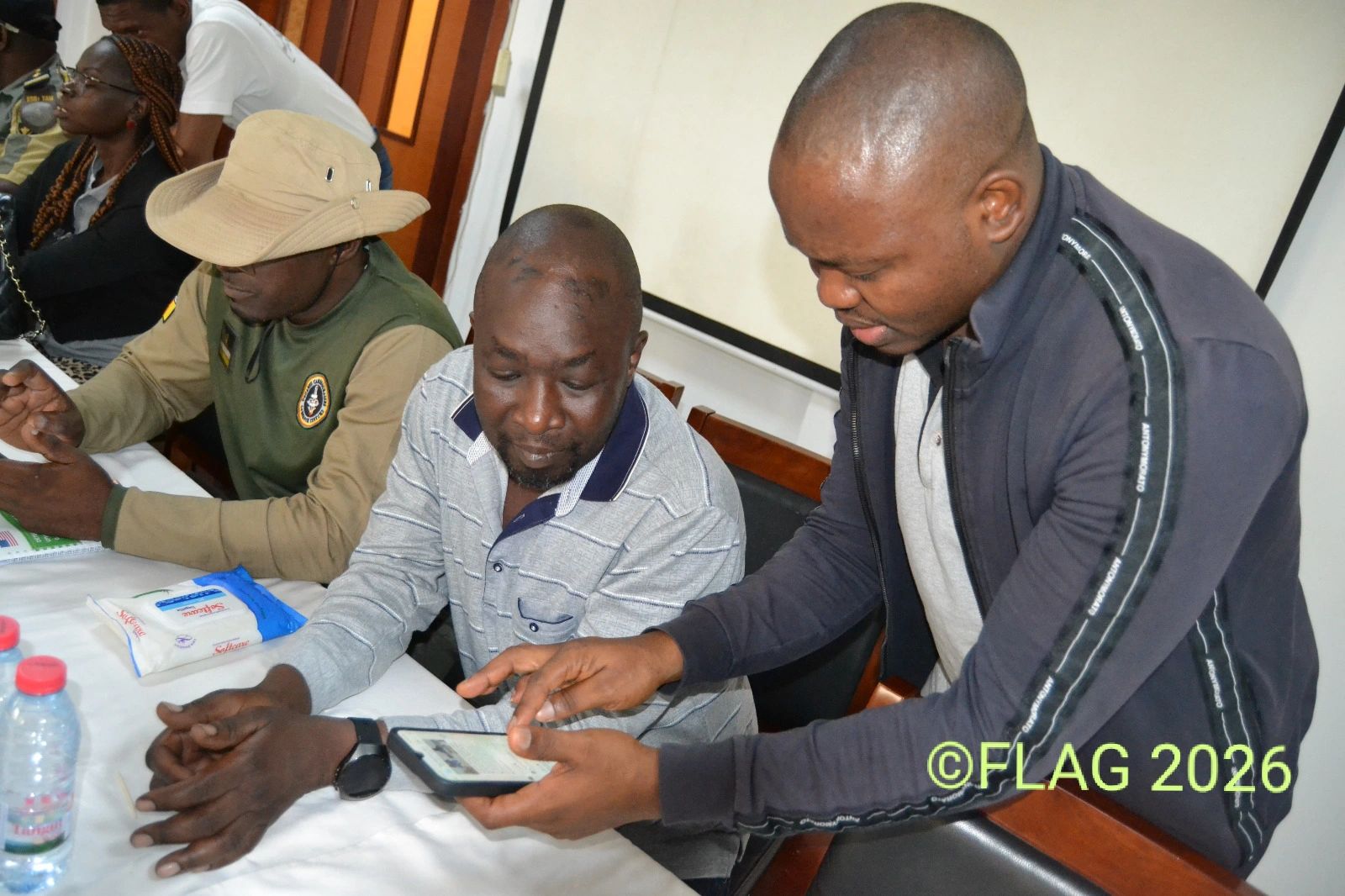
Ediage and other participants were trained in the use of cutting-edge technological tools—SIGIF II, OpenTimber Portal, the Interactive Forest Atlas, and e-CITES, as well as the Global Forest Watch and Forest Watcher satellite monitoring applications—to prevent, detect, and investigate illegal logging and timber trade and timber identification techniques, criminal investigation methods, and the criminal proceedings set out in the new Forestry Act of 2024.
On the occasion, Horline Njike, epse Bilogue Mvogo/FLAG Secretary General, maintained that the training of forestry law enforcement officers is an opportunity to share with the administrations certain tools that can facilitate their work of preventing illegal forest exploitation. “It is an opportunity to share information and experience with different administrations, create more synergy, and collaborate to help in their mission of fighting illegal forest exploitation,” FLAG SG stated.
To her, environmental crimes are a plague that constitutes several violations against the environment and natural resources, endangering human survival, the economy, and the state, and fragilizing the life of the population on the planet. Environmental crimes are the third biggest crimes on the planet and necessitate intervention and the implication of the state, she concluded.
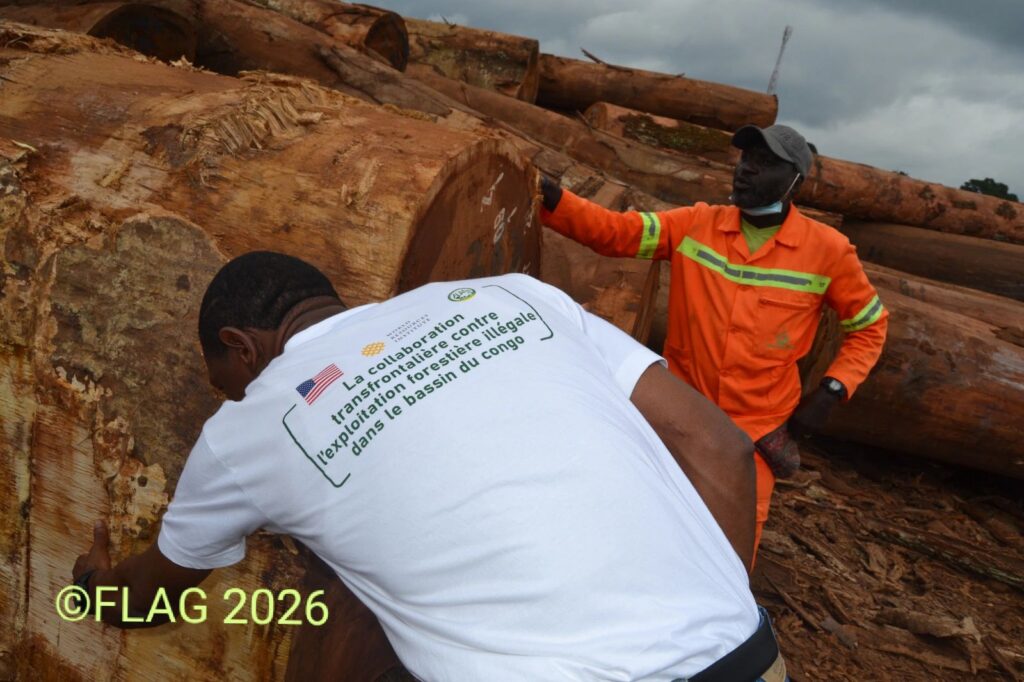
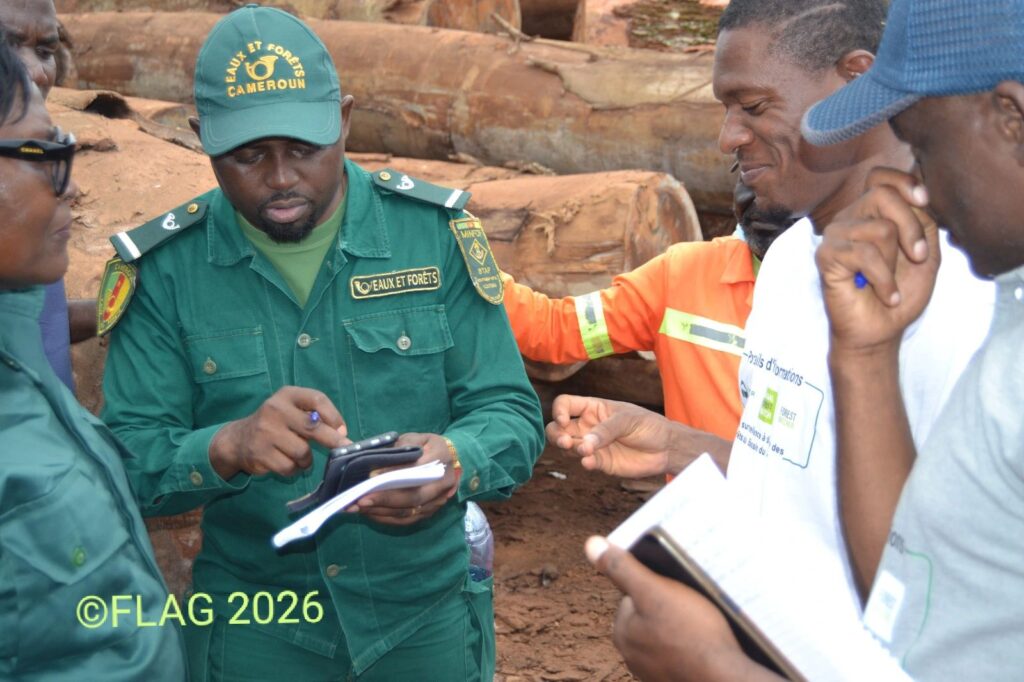
Participants in the inter-institutional workshop left the meeting room to gain first-hand experience of the forestry control chain at the Ecological Reserve, the Diop forestry and customs post, and a timber processing unit run by CUF (Cameroon United Forest). It was an avenue for forestry officials, customs officers, magistrates, and staff from the Forest Revenue Security Programme (PSRF) to compare their practices, share their experiences, and reinforce a shared conviction: the fight against the illegal timber trade can only be effective if each institution understands the role of the others and acts in a coordinated manner.