

By Leocadia Bongben

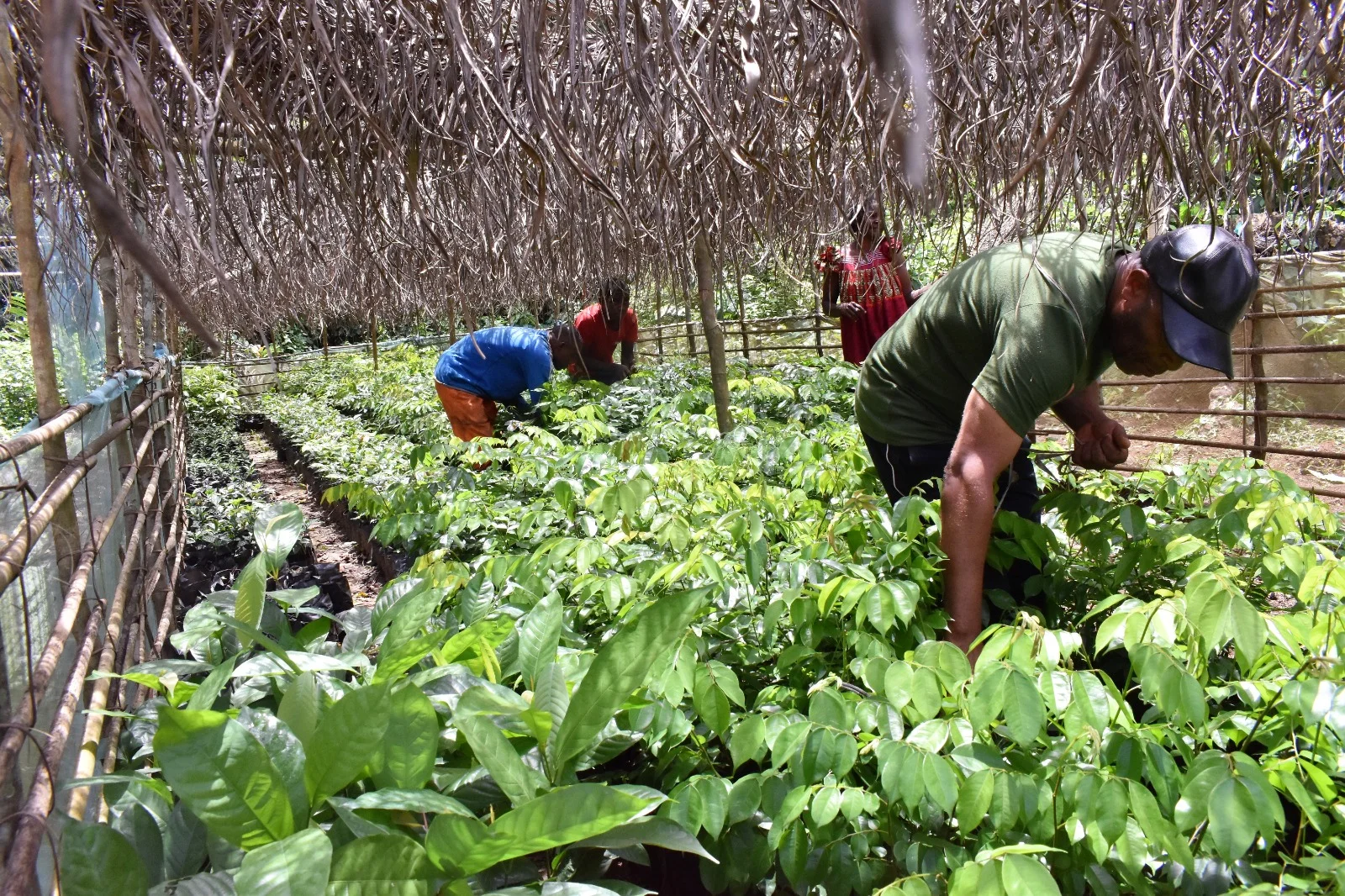
According to a recent report released by WWF, its “forest landscape restoration in Africa initiative” is helping 55,000 indigenous people in Africa and repairing 18 million hectares of ecosystems over the course of five years, from 2021 to 2025.
Over 120,000 people have received training in forest landscape restoration techniques, especially women and young people. Additionally, beekeeping, eco-spices, mangrove restoration, woodworking, agroforestry, and other forest-friendly businesses are helping communities create new sources of income.
WWF’s commitment to the African Forest Landscape Restoration Initiative (AFR100) includes the restoration project. More than 100 million hectares of land in Africa are to be restored by 2030 thanks to this worldwide collaboration between African countries, business and donor financial interests, technical organisations, and local interests.
The United Nations (UN) has declared 2021 to 2030 the ‘Decade on Ecosystem Restoration’, which involves assisting in the recovery of degraded or destroyed ecosystems and conserving those that are still intact. In Africa, 34 countries thus far have pledged to restore 129.5 million hectares by 2030 as part of the AFR100.

According to the report, around 70% of Africans rely on agricultural and land-based systems for their livelihoods, demonstrating the continent’s extreme reliance on natural resources. The fact that substantial environmental deterioration is being caused by the unsustainable use of these resources is also extremely concerning. It has lost around 30 million hectares of forest in the last ten years, with record degradation of roughly 3.9 million hectares per year. As a result of overuse and inadequate land management, vast tracts of land continue to deteriorate.
Thanks to partner support, the initiative made great progress between 2021 and 2025. Prioritising restoration in national agendas and shaping policy were made possible by involving multi-stakeholder platforms. Together, they worked in Cameroon, the Democratic Republic of the Congo (DRC), Kenya, Madagascar, Mozambique, Tanzania, Uganda, Zambia, and Zimbabwe on a variety of terrestrial and marine environments.
The new impact report calls for increased funding to scale up restoration as a driver of climate resilience, biodiversity recovery, and community livelihoods, even though it demonstrates significant success in repairing degraded landscapes, waterscapes, and seascapes throughout Africa. Africa loses almost 3.9 million hectares of already degraded land. This threatens climate change.
“This report tells us that restoration in Africa is happening, it is measurable, and it is changing lives,” said Dr Severin Kalonga, Head of WWF’s FLR in Africa, in Restoration that delivers for people and nature.
