

By Leocadia Bongben
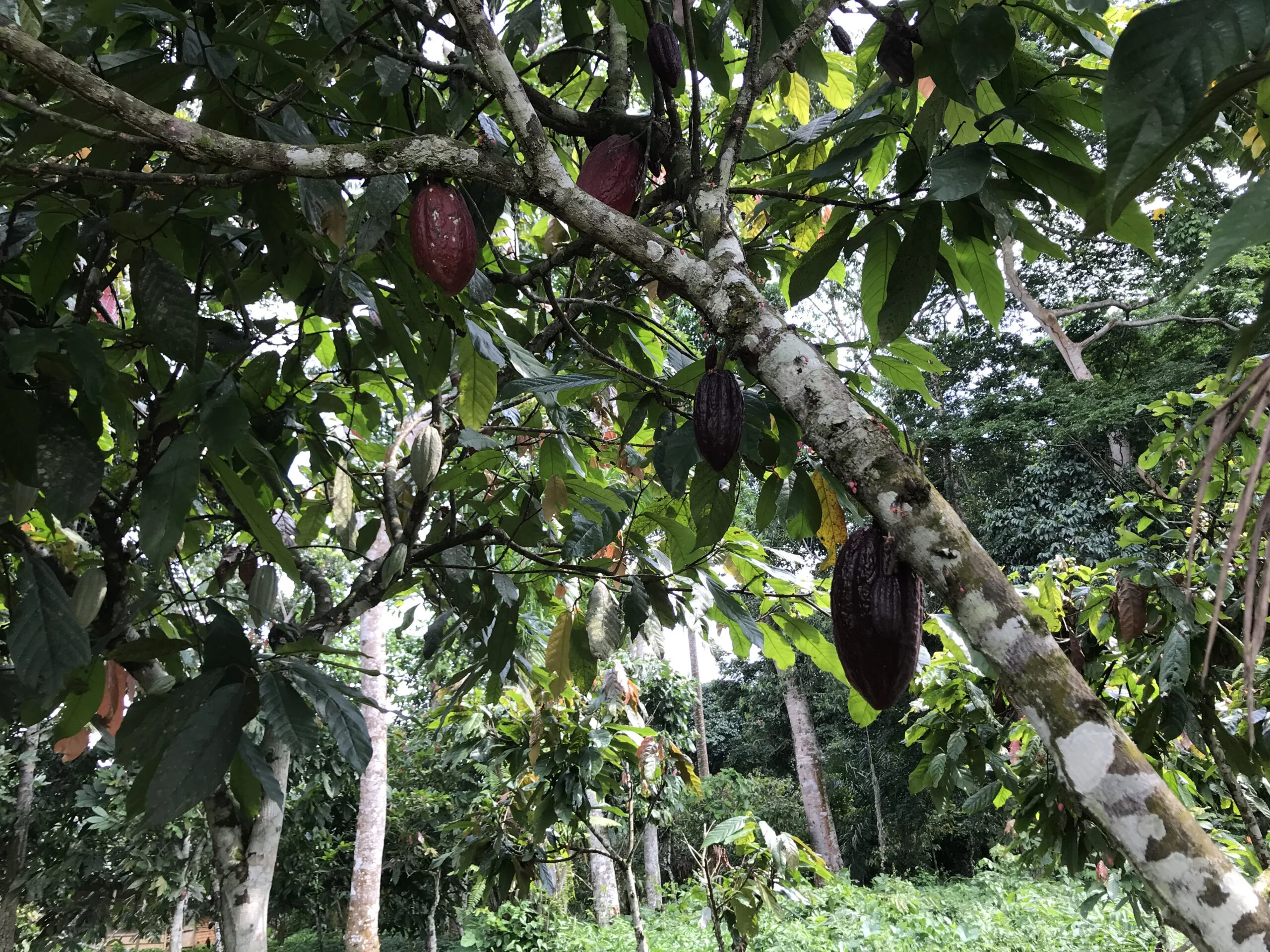
According to a report presented to the media in Yaounde, 42% of the approximately 320,000 tonnes of cocoa produced in 2025 were Rainforest Alliance-certified. Cameroon is the fifth-largest cocoa-producing country in the world, with 80% of its cocoa exported to Europe. Besides, 73 per cent of Cameroonian bananas are Rainforest Alliance-certified.

William Mala, Acting Country Director and Senior Manager, Landscapes and Communities, Rainforest Alliance, places the report in the context of the 2030 target for achieving the UN development goals, the Paris Agreement, and Cameroon’s emerging trend, with the Rainforest Alliance contributing its quota through investments and commodities.
To Mala, it was, therefore, important to communicate, four years from this target, and present the trajectory from the start in 2010 with results and tools that the Rainforest Alliance had developed. “In the key sectors, 42% of certified cocoa, around 100,000 hectares of cocoa, is under development; revenues have improved in intervention areas. Cocoa production in Mintom in the South region has tripled. In 2025, cocoa exports from Cameroon fetched 1.187 billion dollars, almost 38.5% of export revenues, and for the first time, exceeding oil revenue, Mala listed some of the achievements,” the acting director said.

Between 2020 and 2025, the Rainforest Alliance-led COBALAM project worked alongside local communities to restore and protect these landscapes. As a result, eight community nurseries were established, nearly 80,000 trees were planted, and more than 3,000 hectares of degraded land were restored, helping safeguard these vital ecosystems for both people and nature. These sacred forests, which have served for generations as places of memory, spirituality, and cultural heritage, have been facing growing pressure from deforestation and land degradation.
“The most lasting changes are the ones that communities make their own. In Cameroon, the results we see today are not measured only in hectares restored or trees planted. They are also reflected in restored water sources, more productive land, and communities taking ownership of their landscapes’ future. Across the Western Highlands, the Dja, and Grand Mbam, regeneration is already taking root, driven by the women, men, and young people who live at the heart of these landscapes,” Mala said.

The Rainforest Alliance Certified seal now appears on 66,000 products across 172 countries, giving consumers around the world confidence that their purchases support thriving landscapes and communities where people and nature live in harmony. Against this backdrop, the Rainforest Alliance calls on companies, governments, and investors to deepen their commitment to regenerative agriculture – and to the farmers on the front lines of that transition, the report reads.
Less than 30% of the investments anticipated to increase sustainability in the agricultural and forestry value chains have been mobilised by the Rainforest Alliance. To cross a threshold, the organisation intends to mobilise actors, the government, foundations, the business sector, customers, and funders. An acceleration phase will begin the next year.
Yannick Mbouba, head of the Rainforest Alliance certification programme for the Central Africa sub-region, notably Gabon, the Republic of the Congo, the Democratic Republic of the Congo and São Tomé and Príncipe, maintains that in the case of compliance, producers and companies are subject to market requirements. “We accompany the companies to make an evaluation and compare their practice with our standards. And once this is done, develop an action plan to accompany them towards compliance. Generally, it is the whole supply chain, the producers, and intermediaries in the supply of cocoa.” Mbouba said.
He added that the organisation strengthens the capacities of these companies through the staff dedicated to the durability of all the themes, in particular the good practices related to the economic viability management of companies and, in particular, those related to human rights. “We talk about everything that is community, people, children, the good practices of traceability of products, and the good environmental practices as well. So we usually train the trainers of these companies, who in turn train others in the field.

The Rainforest Alliance ensures that the capacities are strengthened throughout the entire process. A certification organisation authorised by the Rainforest Alliance often audits the company after a predetermined time span. Union Control, Veritas offices, and four or five accredited certifying companies are engaged in Cameroon and throughout Central Africa. When all goes according to plan, the business receives a certificate to market its “Rainforest Alliance” product.
“Our ambition is to support public authorities to be able to certify the totality of production, which is around 300,000-320,000 tonnes. Come June 2027, the European Union’s regulations will apply to all companies, producers, and operators who intervene in the industry. So it would be good if the Rainforest Alliance experience serves as a lever for the government to demonstrate the conformity of Cameroonian cocoa,” the certification officer maintained.
Other banana companies are integrating the Rainforest Alliance certification programme, targeting the certification of 100% of banana production in Cameroon
Besides the Rainforest Alliance, there is Fairtrade, which certifies a small part of cocoa in Cameroon, while Fulé Banane and Global Gap certify bananas.